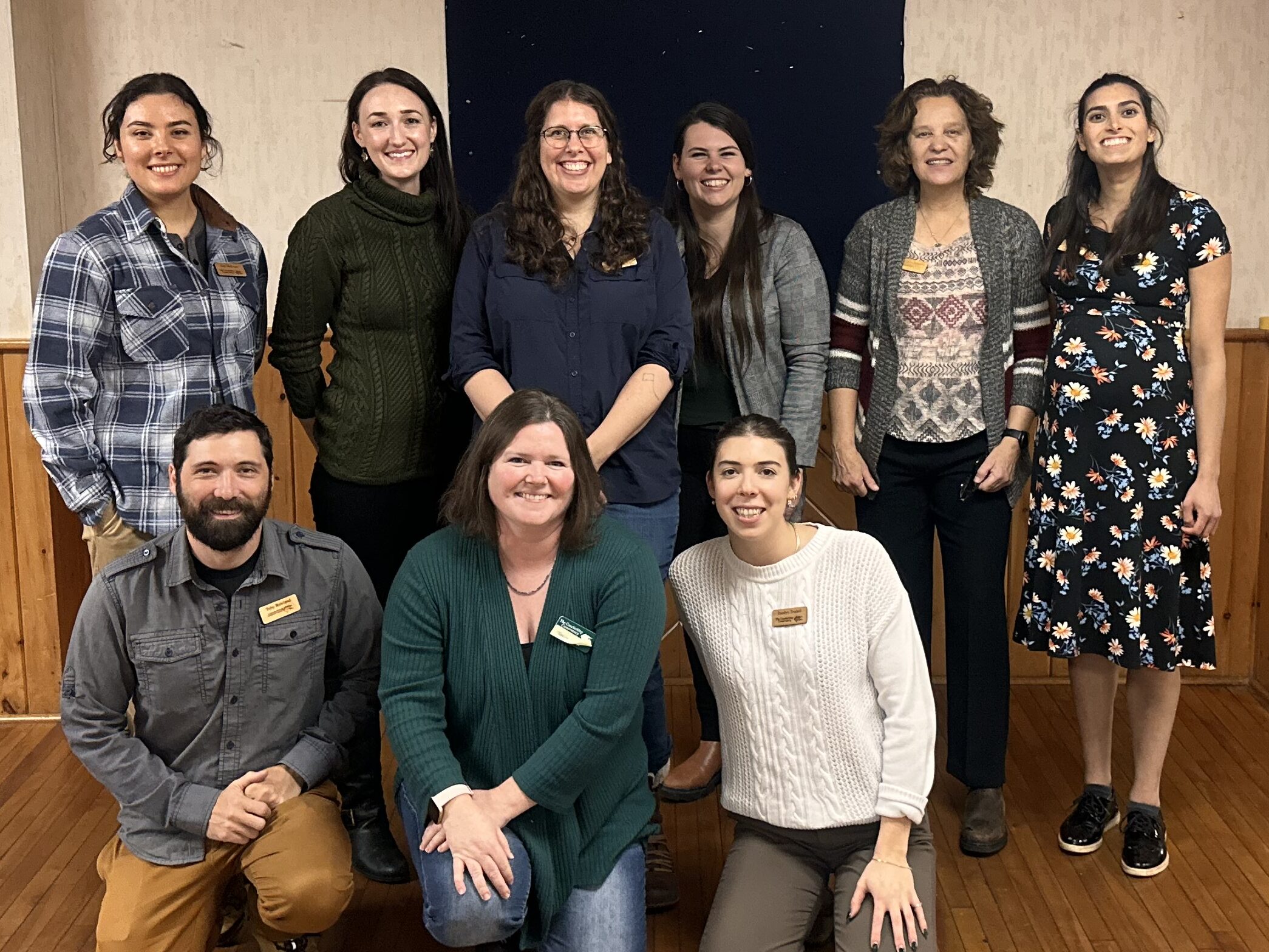
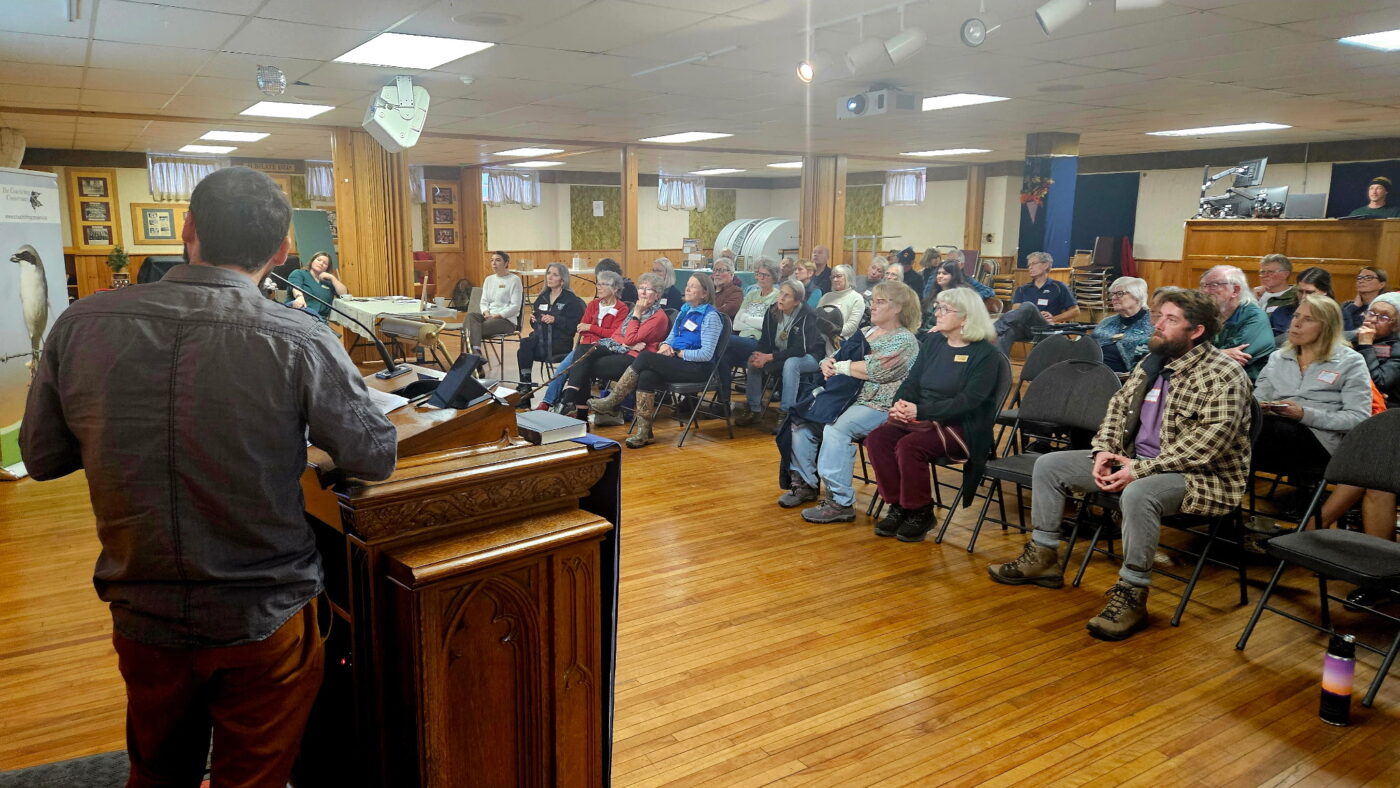
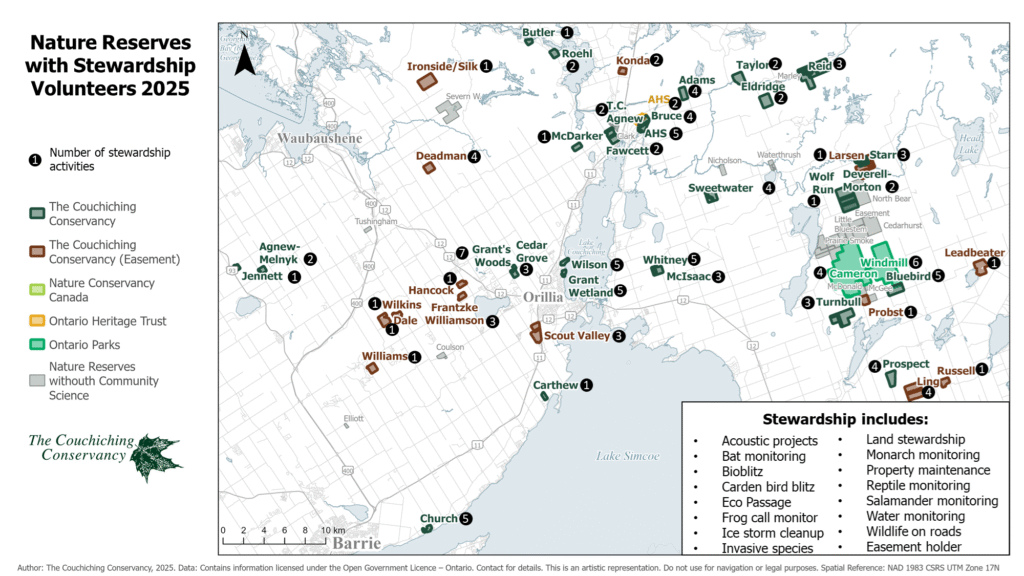
Nature Counts is our annual volunteer appreciation day, where we celebrate the incredible impact our volunteers make across all of our programs. With 200+ volunteers, 5,242 hours contributed, and 12+ community science programs in action this year, there was a lot to acknowledge — and even more to be inspired by.
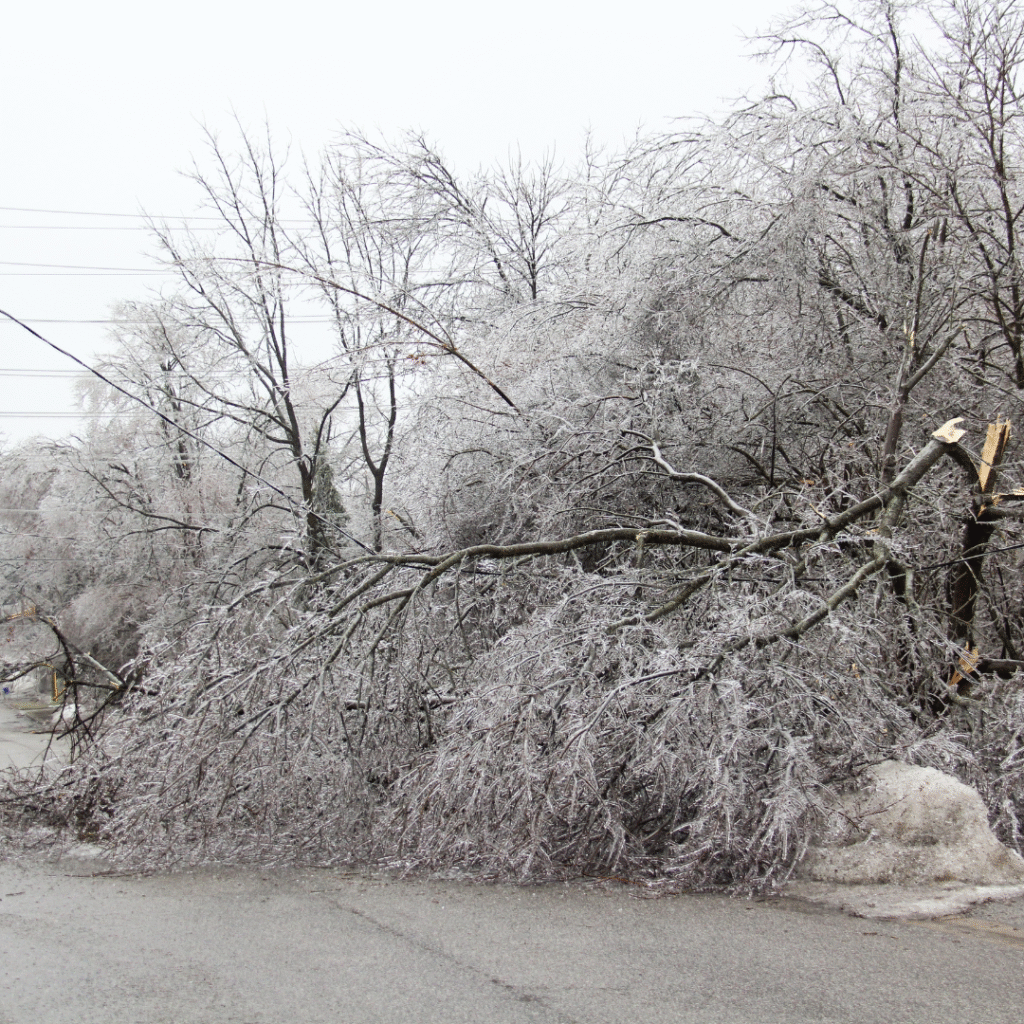
How Weather Shaped Our Year – Presented by Megan Greenwood
Megan opened the day with a look at how 2025’s extreme weather influenced our conservation work. Ontario experienced:
- Ice storms: up to 25 mm of ice, 35 hours of freezing rain in parts of the province
- 400,000 homes without power for days or weeks
- 15+ days above 32°C, compared to just 4 days in the year 2000
- Wildfire impacts: 645 fires, 6,000 km² burned
- 16 days of poor air quality during the main field season
These conditions limited outdoor work and reshaped field planning — a clear sign of the environmental changes we’re all navigating together
Water Quality Monitoring – Presented by Aiesha Aggarwal
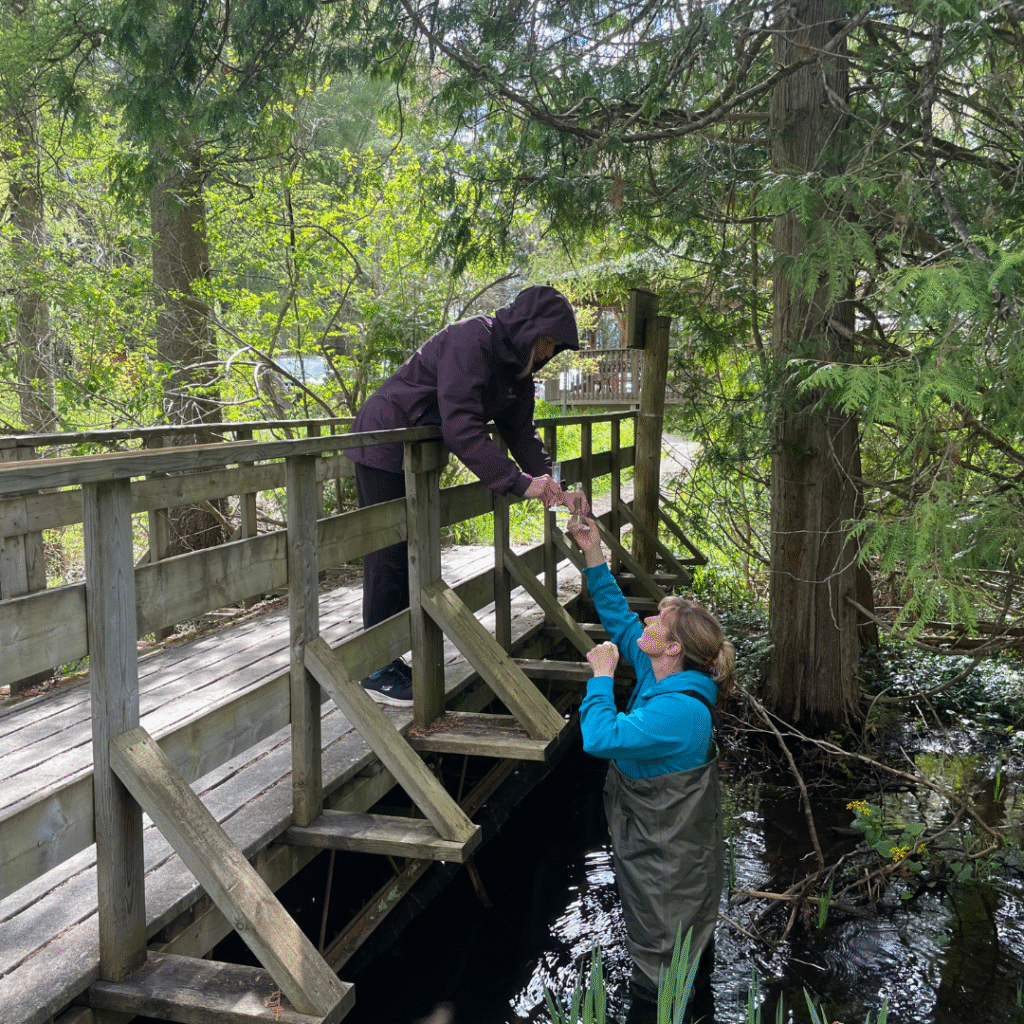
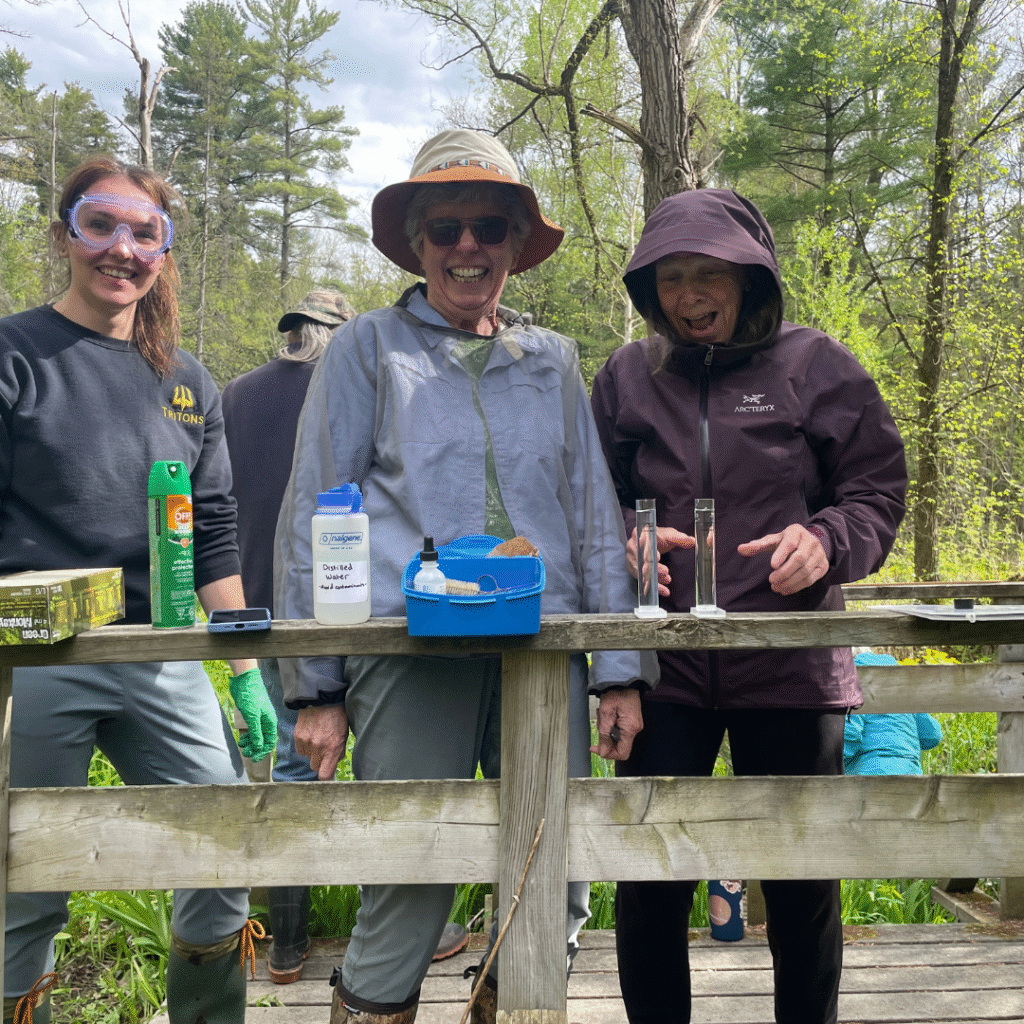
Aiesha shared updates from our Water Quality Monitoring Program, which began in 2015 and continues to grow through volunteer leadership.
2025 Program Highlights:
- 12 teams, 22 volunteers
- 23 monitoring sites across 13 properties
- 198 volunteer hours
- Monthly testing when waterways are ice-free
The data helps us answer key questions:
Is water flowing through our reserves healthy? What changes are happening over time? How does human activity and climate change affect our waterways?
Aiesha also walked us through a decade of data from Taylor Nature Reserve, showing how stream substrates affect conductivity (a measure of water’s ability to carry electrical current) and how streams responded following drought periods — fascinating insights into the resilience of our ecosystems.
Whitney Wetland Eco Passage – Presented by Meghan Duell
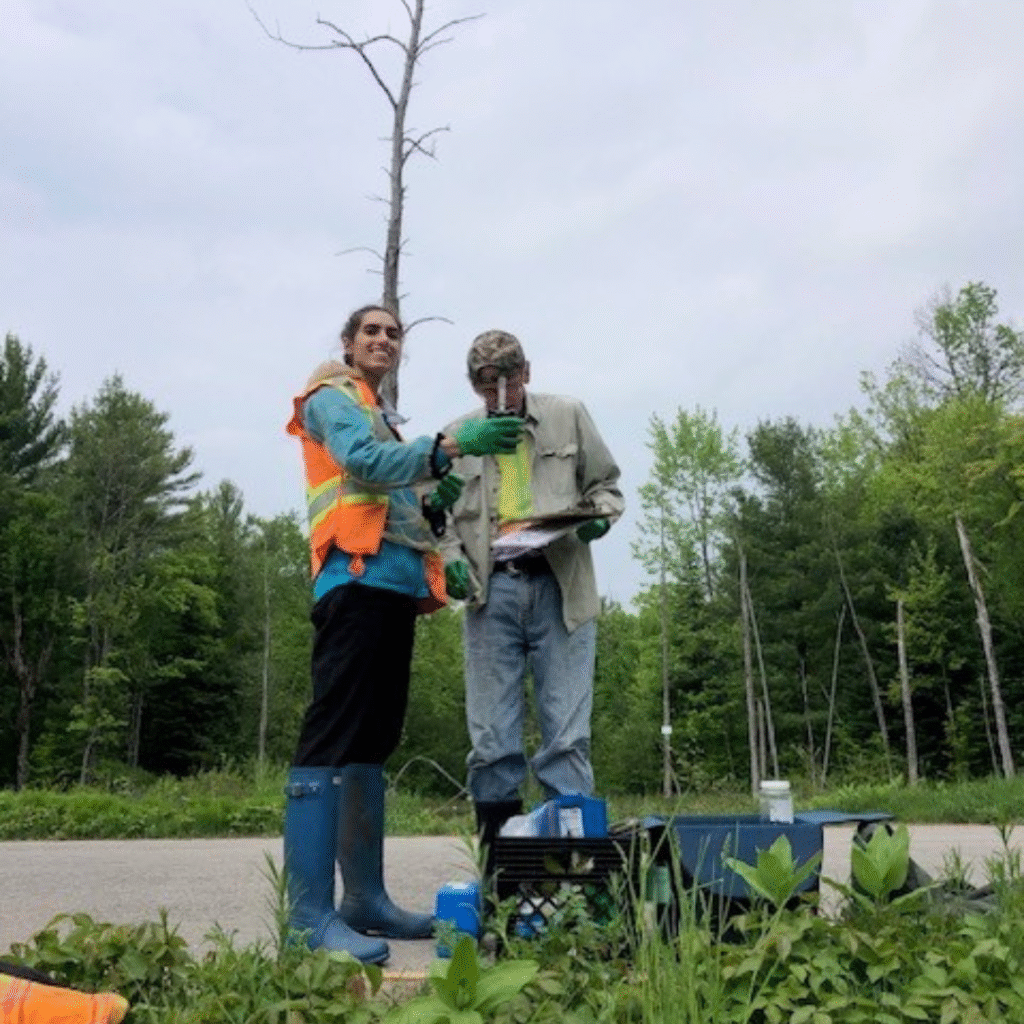
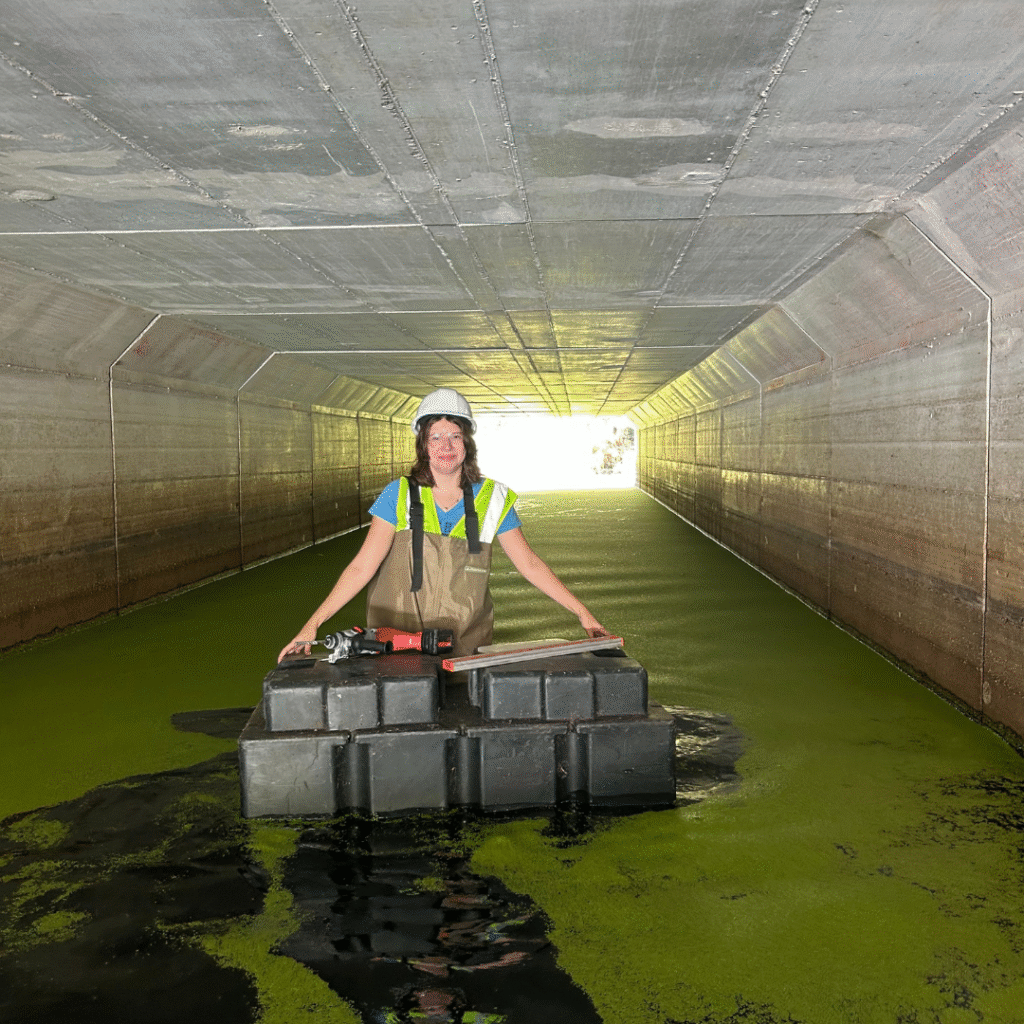
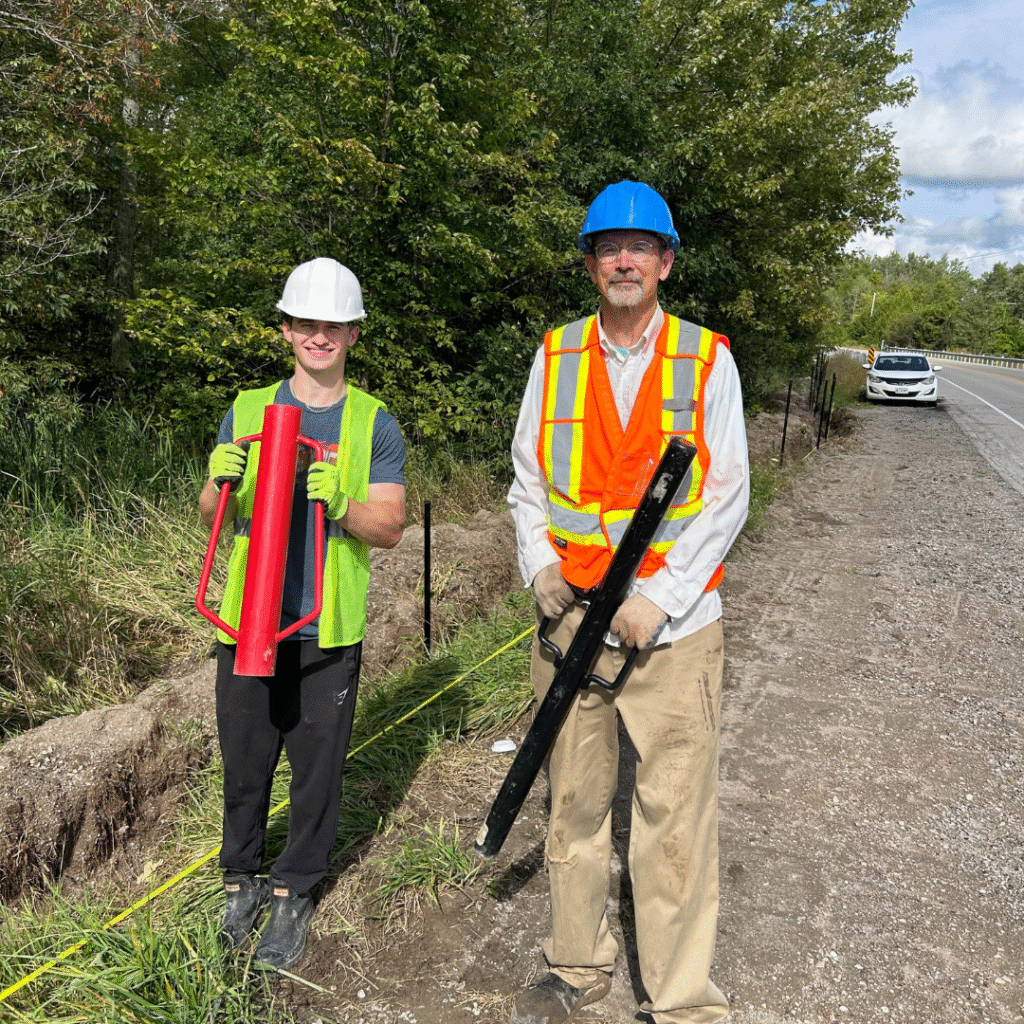
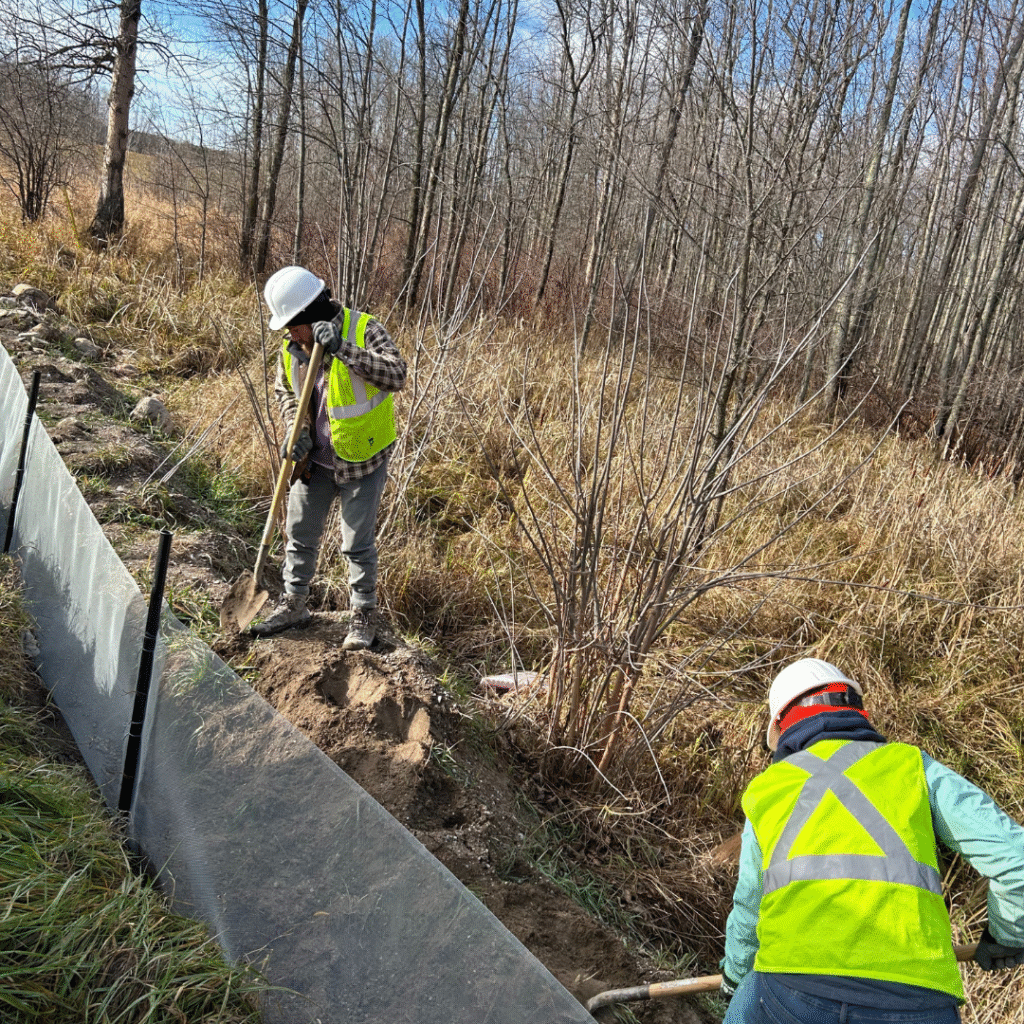
Meghan highlighted the ongoing work at the Whitney Wetland Eco Passage, a project led by Alysha Henry. Years of data from our Wildlife on Roads program reveal just how many species face road mortality — from salamanders and turtles to foxes and other mammals.
The ecopassage is designed to support wildlife movement and reduce deaths caused by traffic. It has taken enormous teamwork to move this forward, including:
- Volunteers and summer staff
- Scales crew
- Miller Aggregate (gravel donation)
- Michael Scott Landscaping (excavation support)
- Many partners and hands-on helpers
It’s a powerful example of science, community, and action coming together.
Understanding Bats – Presented by Toby Rowland
We concluded with Toby’s engaging talk on bats. Our region hosts eight bat species, with seven endangered. Major threats include:
- White-nose Syndrome
- Wind turbines
- Habitat loss
- Declining insect populations
- Light pollution
- Climate change
2025 Monitoring Effort:
- 11 teams
- 24 monitors
- 45 site visits
- 20 properties surveyed
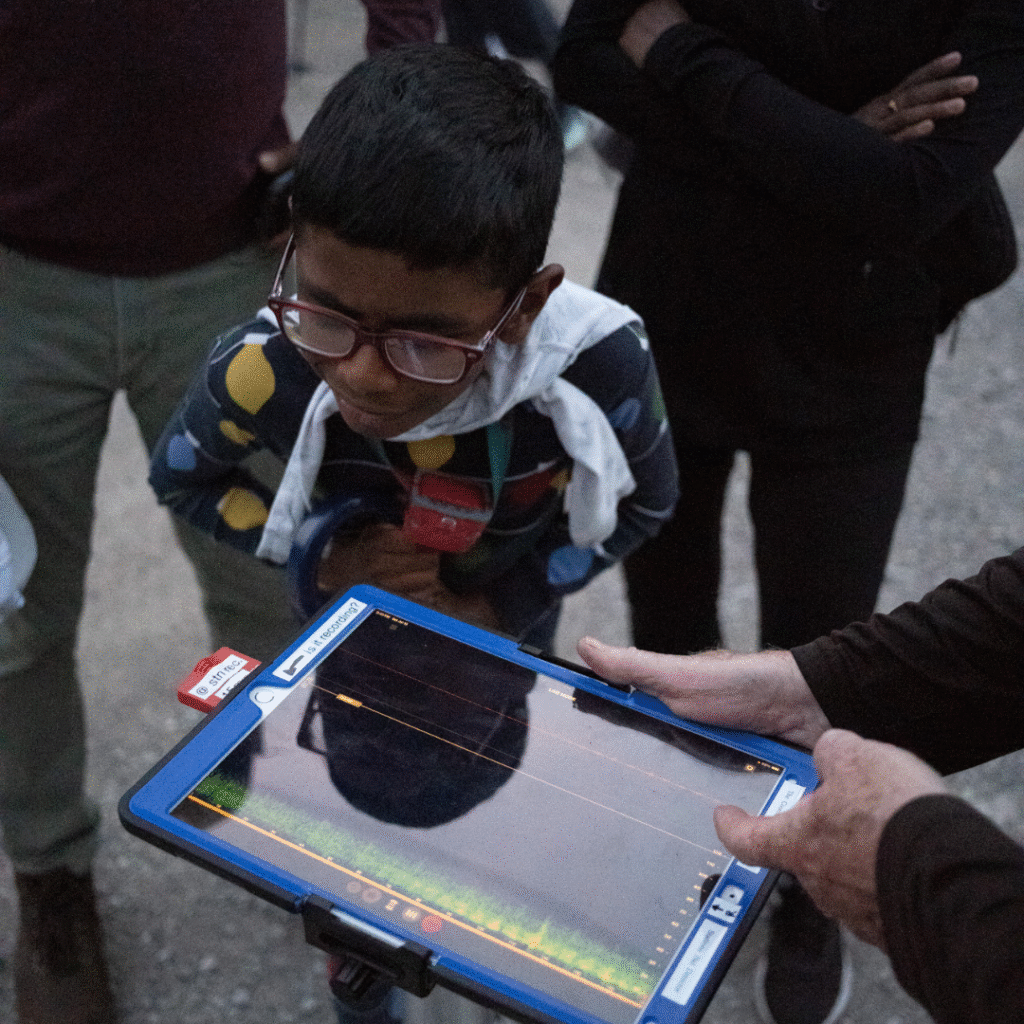
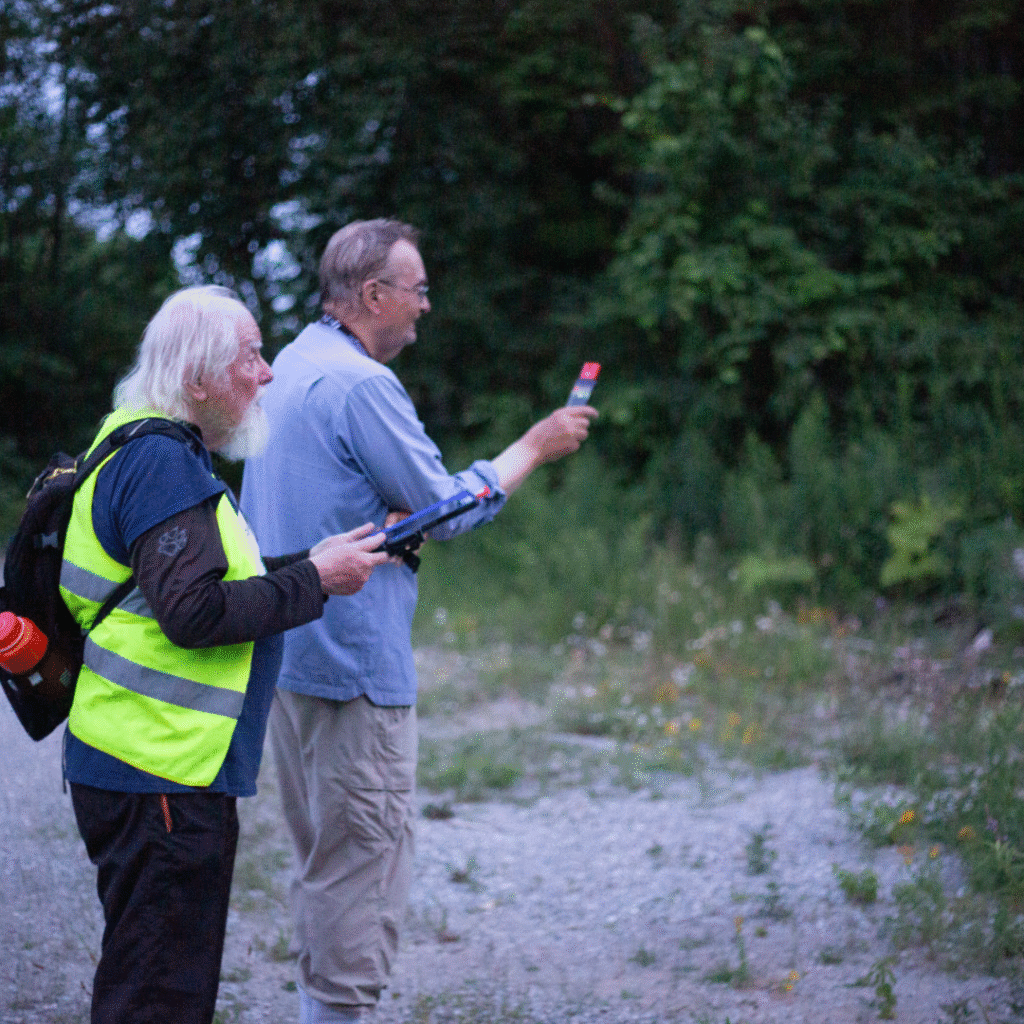
- 40 acoustic stations
- 240 volunteer hours
Toby also shared bat calls slowed down to frequencies humans can hear — a great way to connect with the species we’re working so hard to protect.
Thank You
Nature Counts 2025 reminded us just how much we can achieve together. Whether you volunteer in the office, serve on committees, monitor frogs or streams, document wildlife on roads, survey bats, or support events — you are the heart of our conservation community.
Thank you for your dedication, your time, and your passion.
Happy Holidays from the Couchiching Conservancy Team!