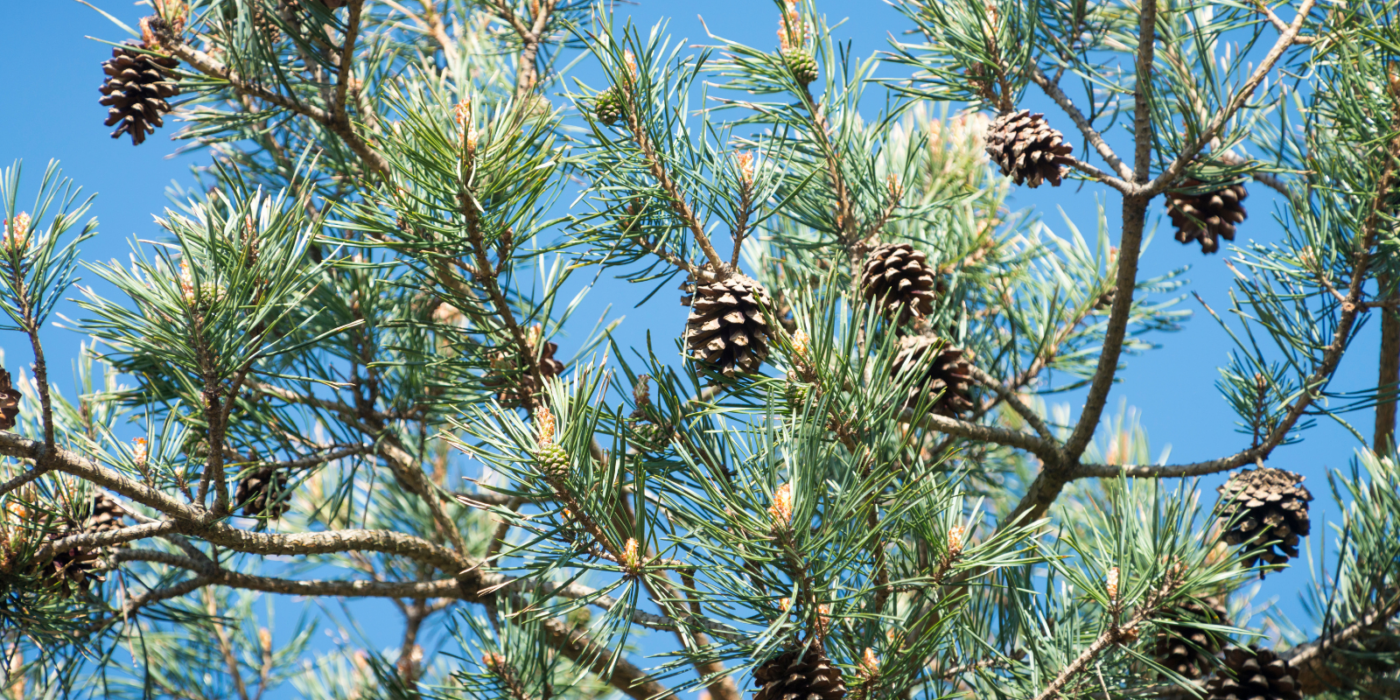
Scots pine is a familiar sight across southern Ontario. It can be found in old plantations, along roadsides and in former agricultural areas, and for many years it was a popular Christmas tree.
But Scots pine, Pinus sylvestris, is not native to Ontario. Today, it is considered an invasive plant because of its ability to spread beyond planted areas and establish in natural habitats.
How did Scots pine get here?
Scots pine is native across a large area of Europe and Asia. It was introduced to North America and was planted extensively in Ontario during the early twentieth century as part of reforestation efforts.
At the time, many agricultural lands in southern Ontario had been degraded by clearing, farming and erosion. Scots pine was able to grow in dry, nutrient-poor conditions, making it useful for stabilizing soil and helping reforest abandoned farmland.
The species later became popular in Christmas tree plantations, particularly between the 1950s and 1980s. As preferences shifted toward other species, some Scots pine plantations were abandoned or left to mature. These established trees became potential seed sources for surrounding areas.
Its history is a good example of how our understanding of land management changes over time. A species that once served a practical purpose can create new challenges when it spreads beyond where it was originally planted.
How to identify Scots pine
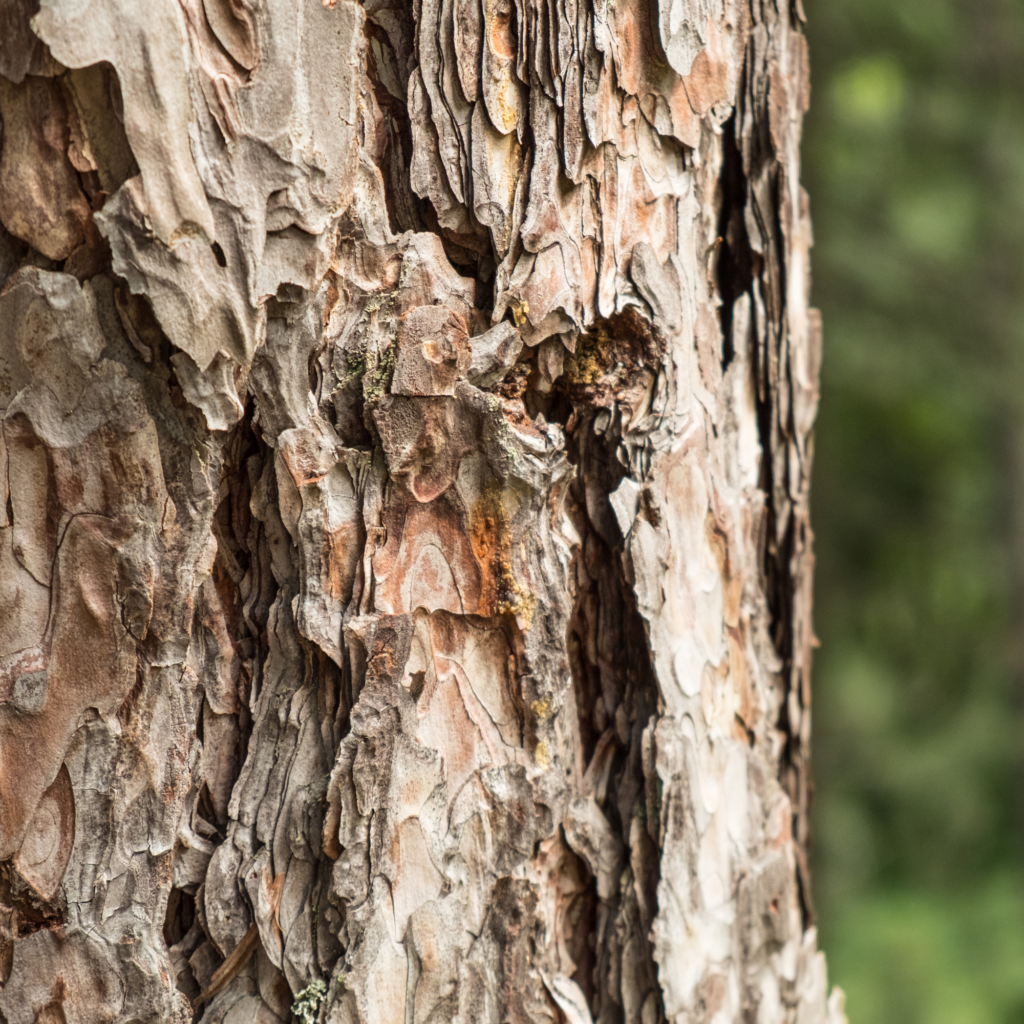
One of the easiest features to notice on a mature Scots pine is its bark. The lower trunk is generally darker and more deeply textured, while the bark higher on the trunk and branches often develops a distinctive orange or reddish-orange colour.
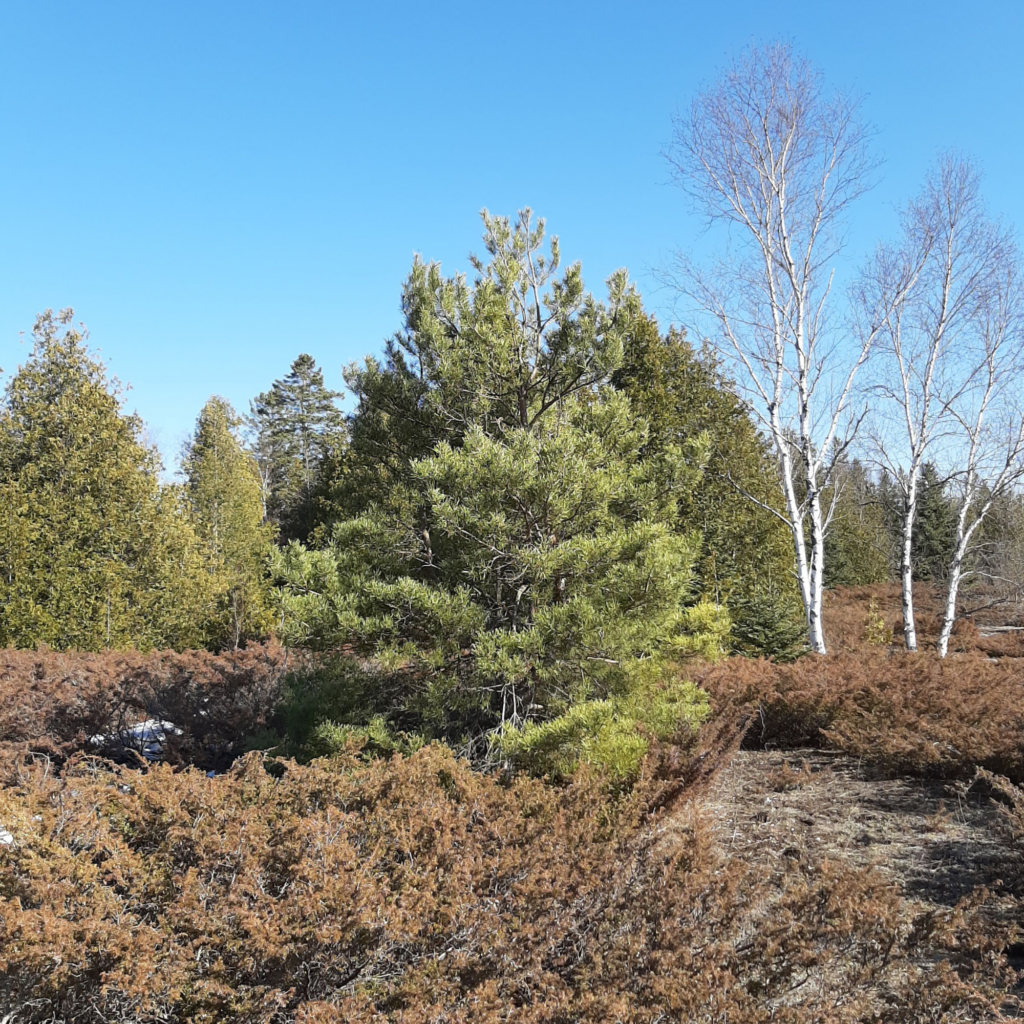
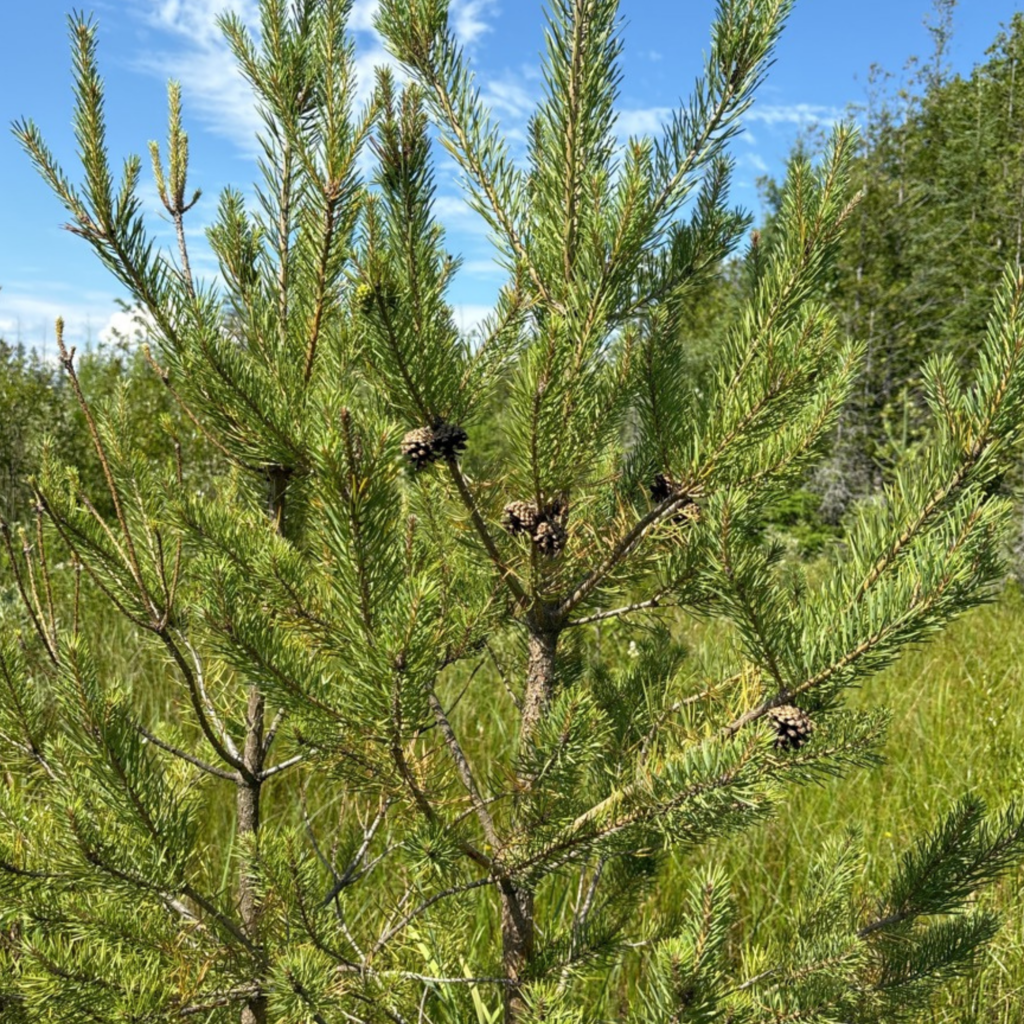
Its needles grow in bundles of two and are relatively short compared with some of Ontario’s native pines. They may also appear slightly twisted. Mature trees often develop an irregular or open-looking crown.
Care is important when identifying any pine. Ontario is home to native species including eastern white pine, red pine and jack pine, so identification should be confirmed before any management takes place.
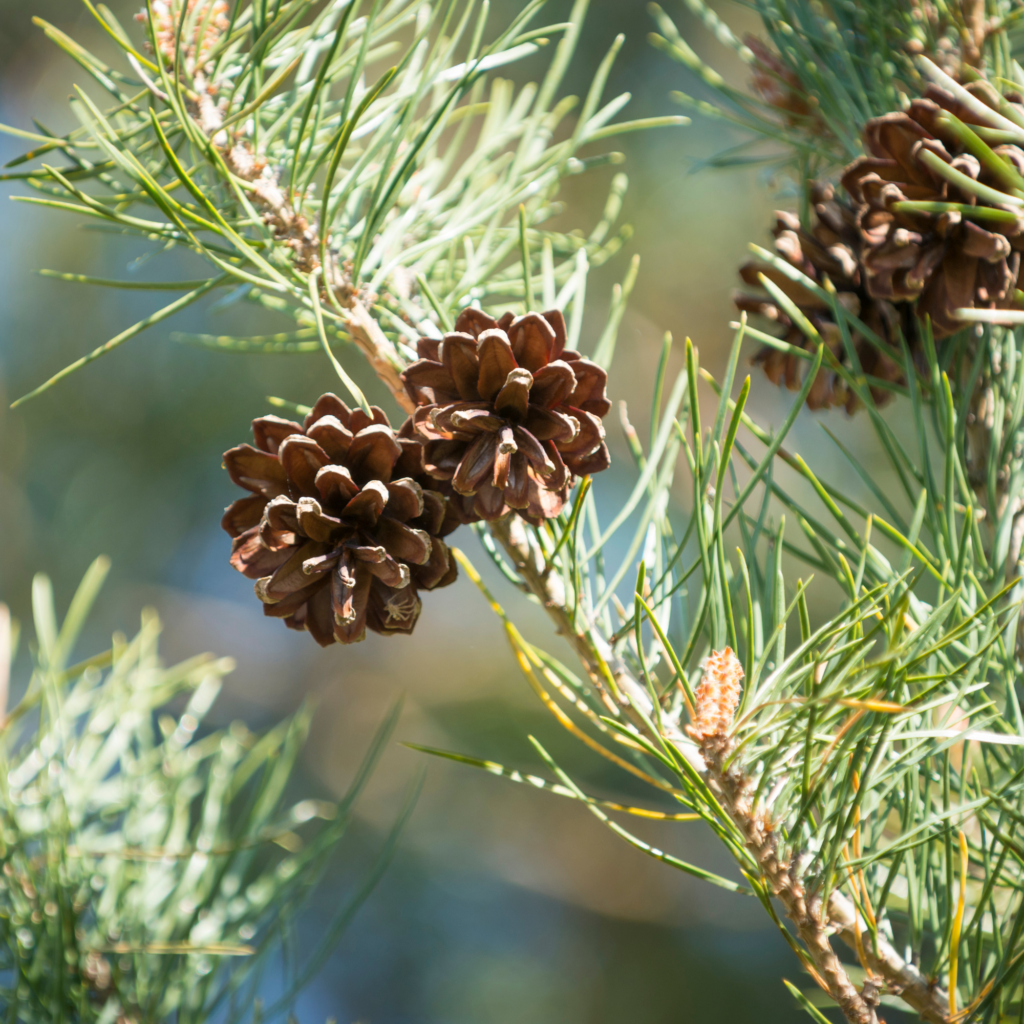
Why is it considered invasive?
The issue is not simply that Scots pine is non-native. An invasive species is one that can spread and cause ecological harm.
Scots pine produces seeds that can move away from planted trees and establish in nearby natural areas. In Ontario, it has been documented spreading into habitats including oak savannas, tallgrass prairies and sand dunes.
As Scots pine becomes established, trees can form increasingly dense stands. This reduces the light and growing space available to native grasses, wildflowers, shrubs and young trees.
Research from the Rice Lake region of southern Ontario provides a useful example. Scots pine spreading from a nearby planting formed dense patches that excluded much of the surrounding vegetation. After Scots pine was removed from one study area, researchers documented the return of 36 native species characteristic of prairie, savanna and sand-barren habitats over the following 17 years.
That does not mean every Scots pine has the same ecological impact. The concern is greatest where the species is spreading into natural areas or interfering with the recovery of sensitive native habitats.
Managing Scots pine
Managing invasive species is rarely as simple as removing every individual of a particular species. Decisions depend on the habitat, the extent of the population and the conservation goals for the property.
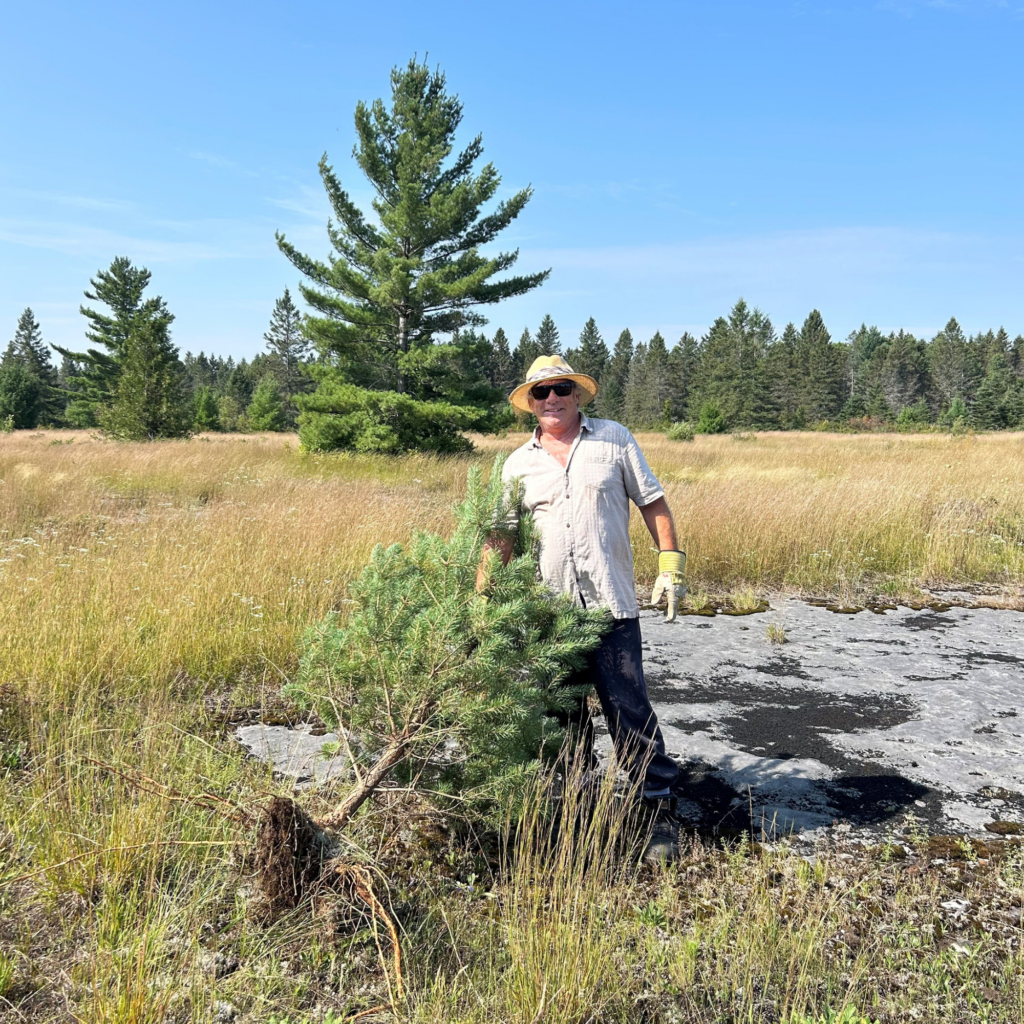
In areas where Scots pine is threatening important habitat, management can involve removing trees and then monitoring the site for new seedlings. Ontario Parks, for example, has used Scots pine removal as part of restoration work in oak savanna and other sensitive ecosystems.
One useful characteristic from a management perspective is that Scots pine does not normally resprout from a cut stump or roots, unlike some invasive woody plants. Follow-up monitoring is still important because nearby mature trees can continue producing seed.
What can you do?
Learning to recognize invasive species is an important first step in protecting natural areas. Before removing a suspected Scots pine, make sure the identification is correct, particularly because several native pine species occur in our region.
Property owners can also consider native trees when planting and avoid introducing invasive species near natural areas. When visiting parks, trails and conservation properties, cleaning seeds and plant material from footwear, equipment and pets can also help reduce the movement of invasive plants.
Invasive species management is one part of maintaining healthy and diverse natural areas. By identifying populations early, monitoring their spread and restoring native habitat where appropriate, we can give native species more room to thrive.
Scots Pine at the Couchiching Conservancy
The Couchiching Conservancy’s stewardship team actively manages Scots pine on our properties as part of our ongoing work to protect native habitats and biodiversity. Invasive species management is an important part of caring for protected lands, helping to reduce the spread of non-native species and support the health of natural ecosystems.
This work is supported by the Invasive Species Centre’s Invasive Species Action Fund, which helps organizations across Ontario carry out on-the-ground invasive species management and monitoring.
Interested in getting involved? Volunteers play an important role in caring for the Conservancy’s nature reserves. To learn more about upcoming stewardship opportunities, sign up for our volunteer interest newsletter.
Sources & Further Reading
Ontario Invasive Plant Council. Scots Pine – Best Management Practices in Ontario (2017). The main technical reference for identification, introduction history, ecological impacts and management. Read the Best Management Practices guide .
Ontario Invasive Plant Council. Scots Pine Species Profile. A shorter, accessible overview of the species and its history in Ontario. View the species profile.
Catling, P. M., & King, B. (2007). Natural Recolonization of Cultivated Land by Native Prairie Plants and its Enhancement by Removal of Scots Pine, Pinus sylvestris. The Canadian Field-Naturalist, 121(2). This is the research supporting the Rice Lake restoration example and the return of 36 characteristic native species after removal. Read the research article.
Government of Ontario. Invasive Species in Ontario. General guidance on preventing the spread of invasive species and managing invasive plants on private property. Read Ontario’s invasive species guidance.
Invasive Species Centre. Invasive Species Action Fund. Information about the grant program supporting on-the-ground invasive species management and monitoring in Ontario. Learn about the Invasive Species Action Fund.