
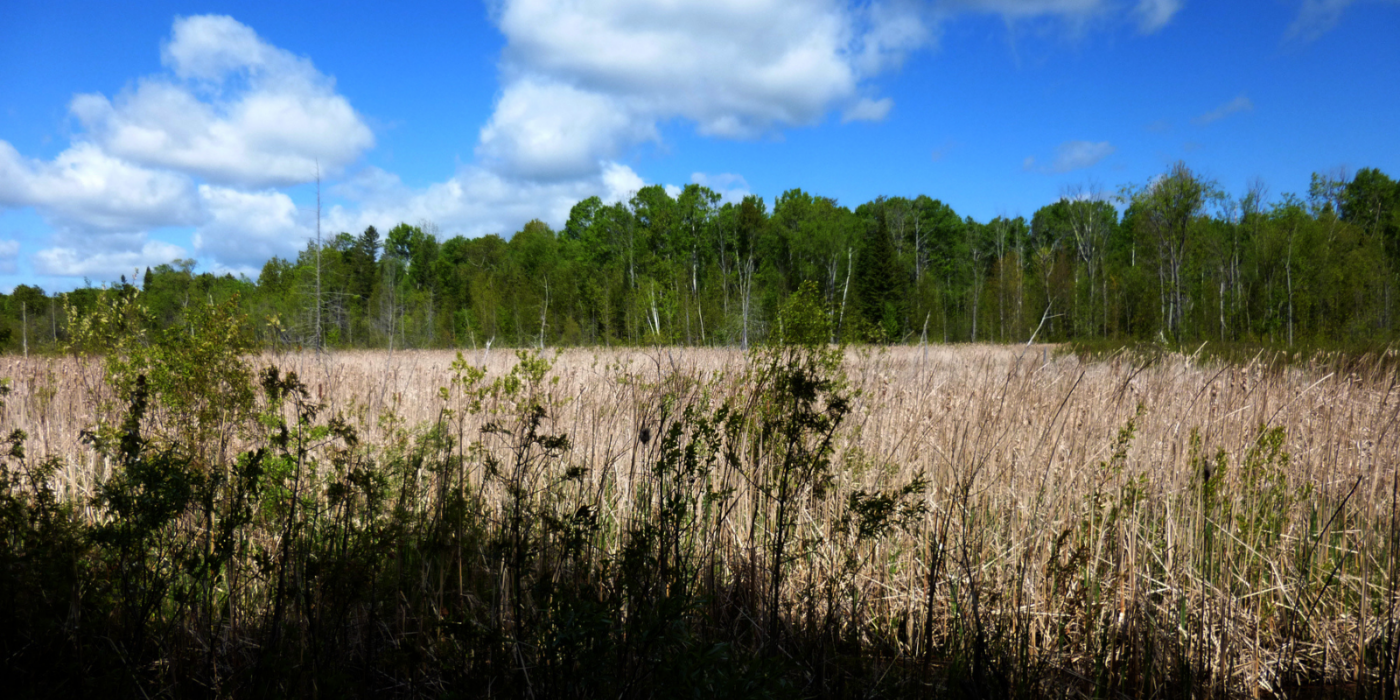
Summer is in full swing! If you’re heading out to explore one of the Couchiching Conservancy’s nature reserves, be sure to keep these tick safety tips in mind before you go.
- What are ticks? Why are they dangerous?
- Ticks are parasitic arachnids that attach to animals and feed on blood
- More than 40 different types live in Canada
- Ticks can transmit bacteria, viruses, and parasites to humans and cause tickborne diseases such as; Lyme disease, Powassan virus disease, or anaplasmosis
- Local threats:
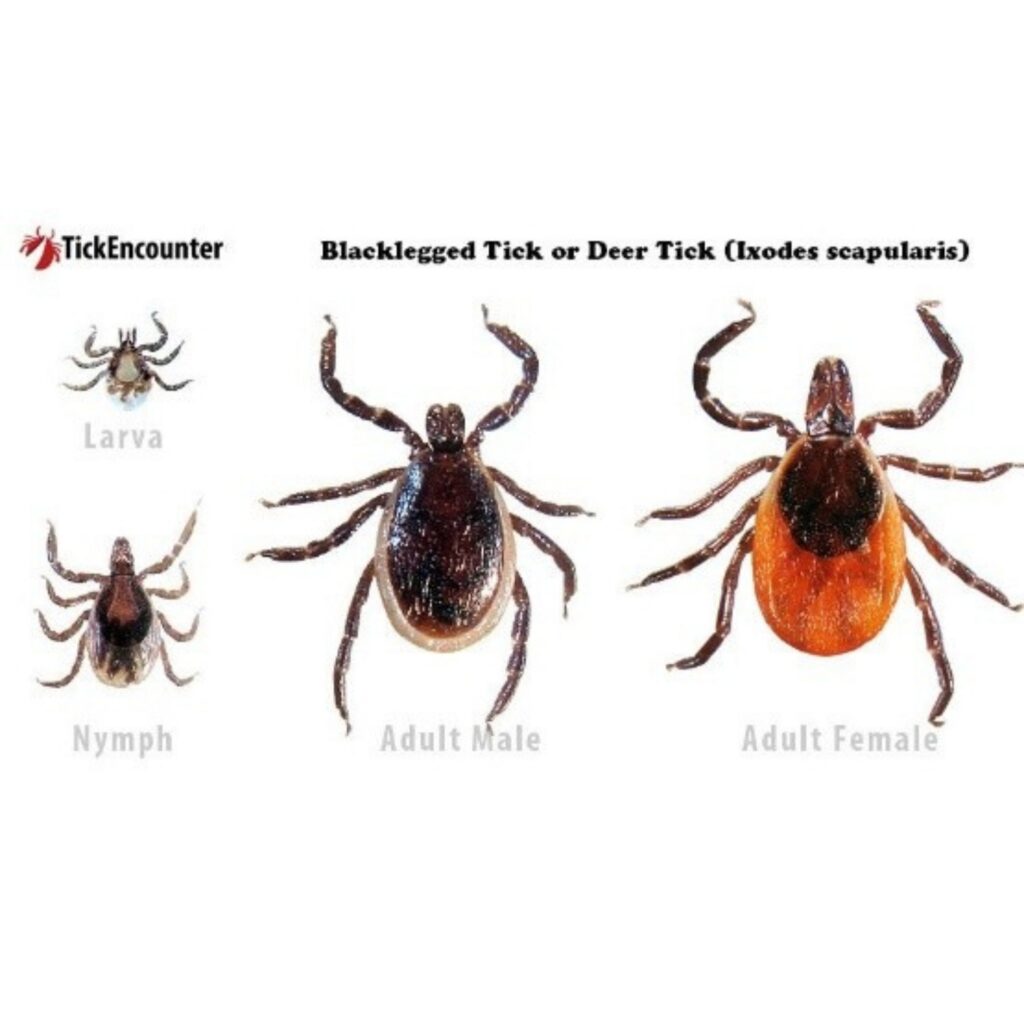
- Lyme disease (Black-legged ticks: Central and South Ontario)
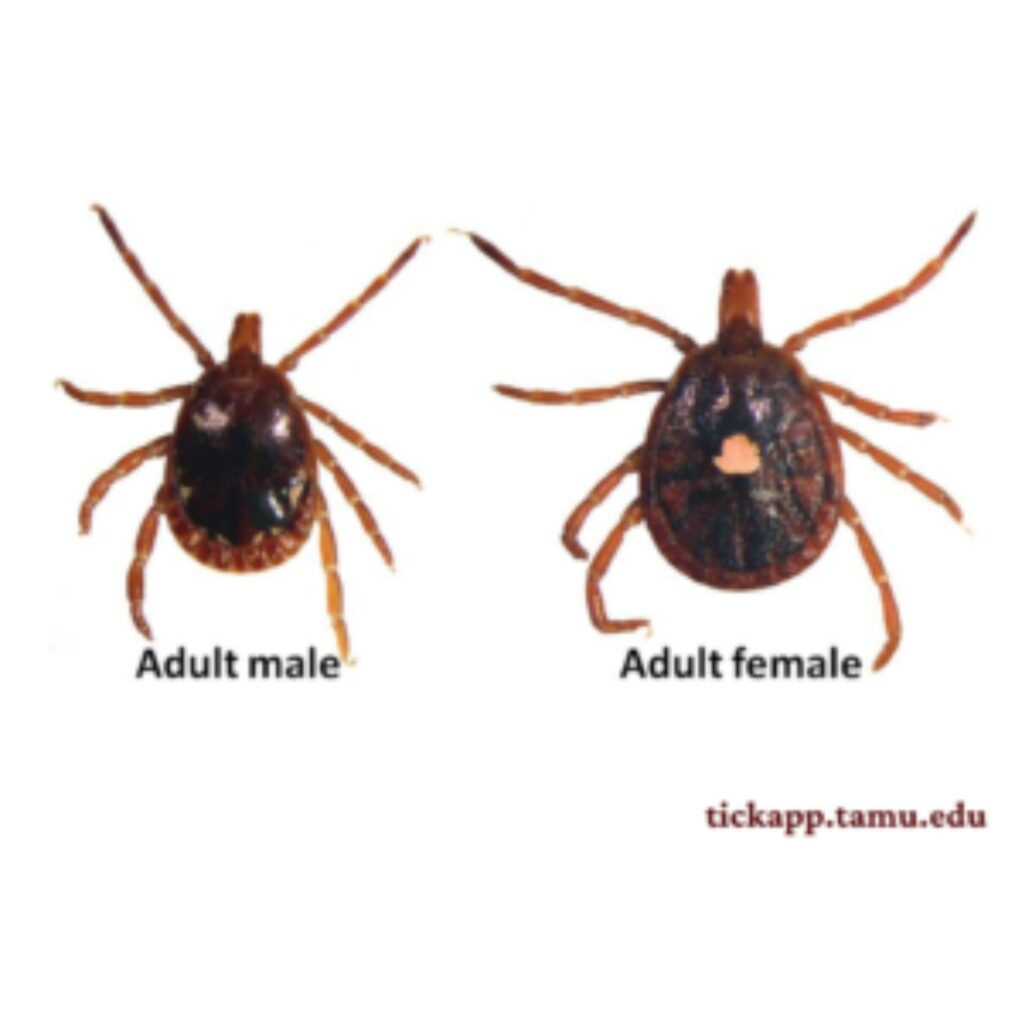
- Red meat disease (Lone Star ticks: southern Canada)
- Local threats:
- How to spot a tick?
- Approximately 3-5 mm in length
- Black, brown, or reddish in colour
- Crawling in warm dry places (behind ears, behind knee)
- Where are ticks commonly found?
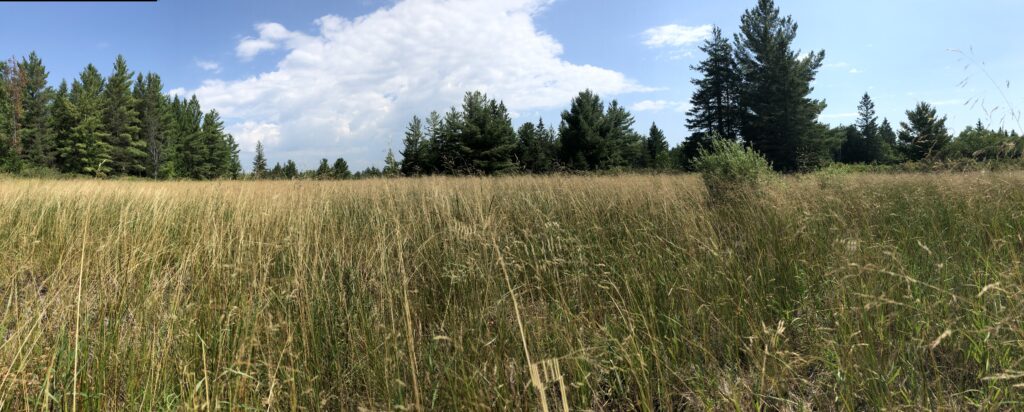
- Grassy, bushy, wooded areas
- Piles of leaves, old shrubs, tall grass, forest floors
- When are ticks most active?
- Tick season: April – October
- Warm weather or weather consistently above freezing – they can be active all year-round if weather allows
- What to do after you come home
- Check clothing and full body for ticks after spending time outdoors
- Check: inside armpits, between legs, behind knees, inside bellybutton, inner arm crease, neck, behind ears, etc.
- Place dry clothes in the dryer on HIGH heat for at least 10 minutes to kill ticks. If washing first, wash on hot, then place on HIGH heat until clothes are completely dry. Water alone will not kill ticks. Alternatively, place dry clothes in the freezer overnight to kill ticks.
- Check clothing and full body for ticks after spending time outdoors
- How to remove a tick safely?
- Remove the tick as soon as possible
- Grab tick as close as possible with fine-tip tweezers
- Pull the tick away from the skin with steady, even pressure
- Do NOT twist or jerk the tick
- After removing the tick, dispose of it by placing it in a sealed container, wrapping in tightly with tape
- After you have removed the tick, clean the bite area and your hands with soap and water, rubbing alcohol, or hand sanitizer
- Monitor symptoms for 30 days; if anything changes, visit a doctor
- Visit a doctor as soon as possible if a tick has become embedded for over 24 hours, you see rings, or cannot remove the tick
- Remove the tick as soon as possible
- What you can do to avoid ticks i.e., preventative measures
- Walk in the center of trails
- Stay away from tall grass
- Wear long pants and tuck pants into long socks – do not have exposed skin!
- Use tick repellents
- Permethrin or permethrin-treated clothing
- DEET
- Picaridin
- Para-menthane diol
- Oil of lemon eucalyptus
Stay safe while exploring the Couchiching Conservancy’s nature reserves this summer!