What if you could help wildlife move safely across the landscape without leaving your couch?
Through an innovative project on Zooniverse, local youth are helping The Couchiching Conservancy understand how fences affect wildlife movement – and providing information that could lead to real conservation action on the ground.
Why Wildlife Movement Matters
Many of the nature reserves protected by The Couchiching Conservancy contain fencing originally installed for livestock management or property boundaries. While these fences can serve important purposes, some may also create barriers for wildlife and can even harm them.
Deer, coyotes, foxes, raccoons, and other animals need to move freely across the landscape to find food, access habitat, avoid predators, and reach breeding areas. Some fences may prevent wildlife from moving naturally, while others could increase the risk of animals becoming entangled or injured.
Understanding how wildlife interacts with different types of fencing is an important step toward creating landscapes that work for both people and nature.
Youth-Led Conservation in Action
Alysha Henry showing a trail camera to a student
Through our Youth Program, people aged 15-30 are helping us investigate how fencing affects wildlife on our nature reserves.
The project begins in the field, where youth assist with identifying and mapping fences on Conservancy properties. This information is added to our property management system, helping us understand the types and locations of fencing across our protected lands.
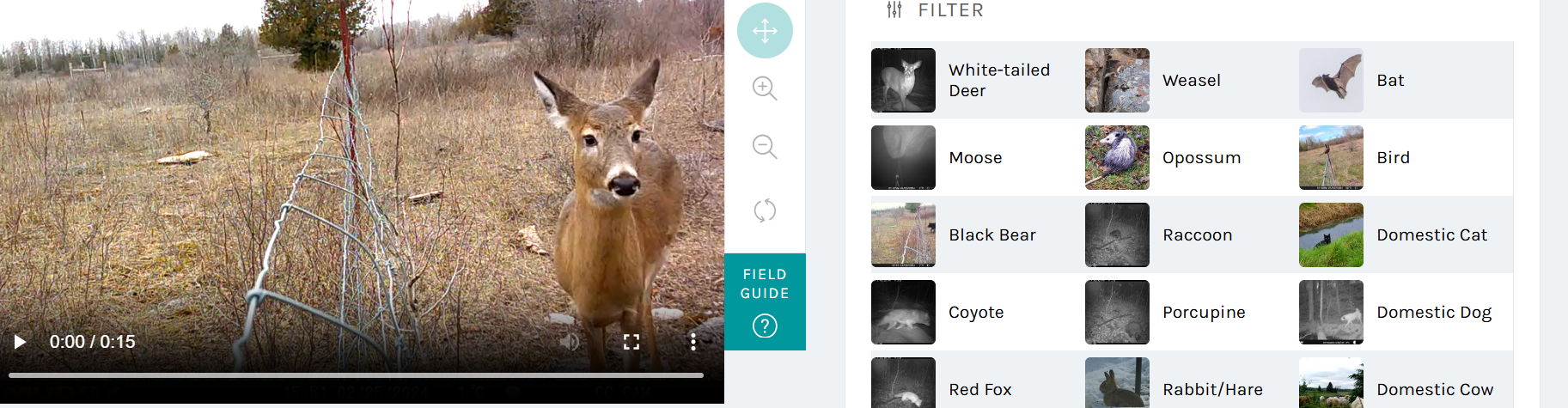
Trail cameras are then installed near selected sections of fence to capture video footage of wildlife as they encounter these barriers. The cameras provide a unique window into animal behaviour, allowing us to observe interactions that would otherwise be difficult to document.
Enter Zooniverse
With hundreds of trail camera videos to review, analyzing all the footage can be a challenge. That’s where Zooniverse comes in.
Zooniverse is one of the world’s largest citizen science platforms, allowing volunteers to assist researchers by analyzing data and making observations online. Participants can contribute from anywhere and at any time.
Through The Couchiching Conservancy’s Zooniverse project, volunteers watch short trail camera videos and answer a series of questions, including:
- Is there an animal in this video?
- Does the animal seem to notice the fence?
- How does the animal interact with the fence?
- What does the animal do when it approaches the fence?
Each response helps build a clearer picture of how different species respond to different types of fencing.
Turning Observations into Conservation Action
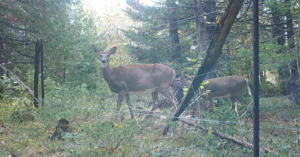 As more videos are reviewed, patterns begin to emerge.
We may discover that certain fence designs allow wildlife to move freely, while others cause animals to hesitate, detour, crawl underneath, or attempt to jump over. These observations can help us identify opportunities to make fencing more wildlife-friendly while still meeting land management needs.
The information collected through this project directly supports conservation decisions on our nature reserves. By better understanding wildlife movement, we can work toward reducing barriers and improving habitat connectivity across the landscape.
How You Can Help
One of the most exciting aspects of this project is how accessible it is. You don’t need specialized training, expensive equipment, or even outdoor experience. By spending just a few minutes reviewing videos and answering questions, you can help generate valuable data that supports real conservation work. The link to the Zooniverse project is available to participants of our Youth Program and may be shared through our newsletter to encourage further participation.
Every video reviewed brings us one step closer to understanding how wildlife moves through our protected lands – and how we can help ensure those movements continue for generations to come. Learn more about our Youth program here.
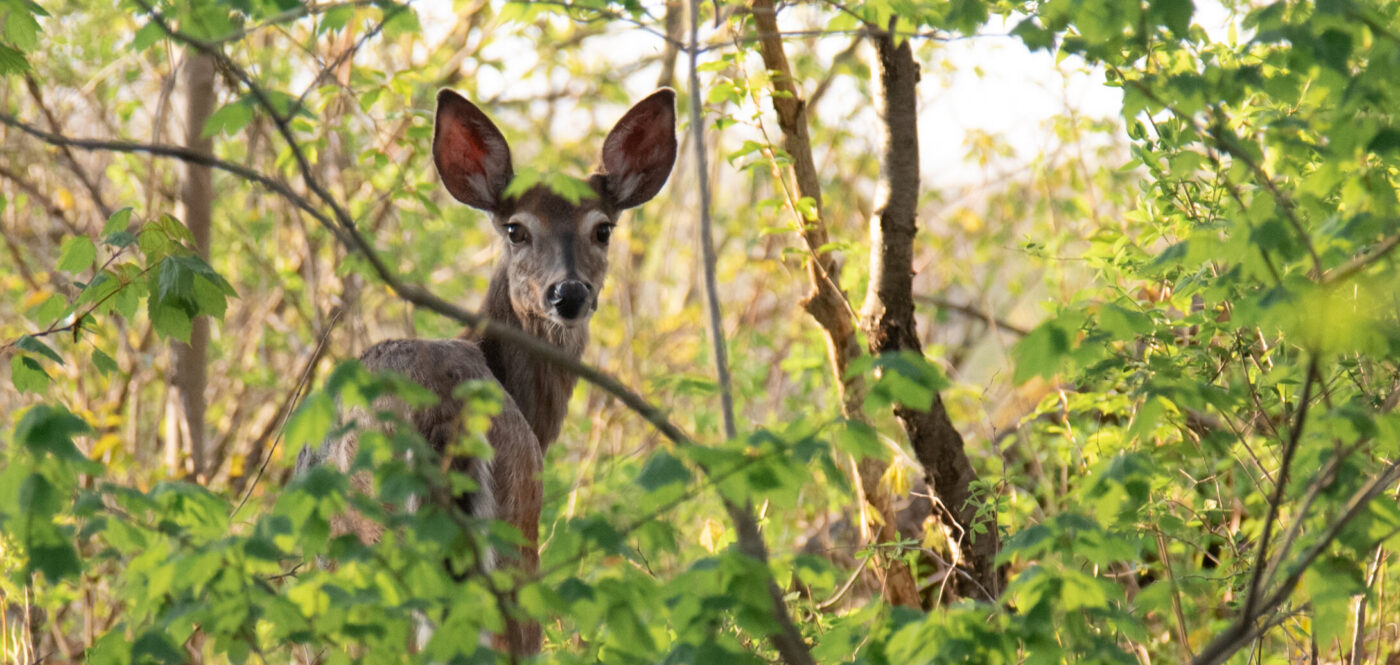
Featured photo of a White-tailed Deer by Joelle Burnie.
Written by Abby Dallimore, Community Engagement Ambassador at The Couchiching Conservancy