

Stewardship Update: October 10, 2026
This wetland is an important part of the local landscape, providing habitat for wildlife while helping to store and filter water, reduce flooding, and support water quality. It also helps manage stormwater naturally, providing benefits to nearby residents and the wider community. Protecting the wetland means protecting these natural functions, which can be difficult and costly to replace once they are lost or damaged.
This year, stewardship work has focused on understanding water levels, water quality and beaver activity throughout the wetland. Ongoing work includes:
- Water level monitoring: Tracking water levels to better understand wetland hydrology and changes over time.
- Water quality monitoring: Collecting data to help assess and track water quality.
- Beaver baffle monitoring and maintenance: Inspecting and maintaining beaver management infrastructure to help manage water levels where needed.
- Regulated beaver trapping: Carrying out trapping where necessary and in accordance with applicable regulations.
- Beaver dam monitoring and mapping: Documenting the location of beaver dams throughout the wetland, including many outside Couchiching Conservancy property boundaries.
- Reviewing the City of Orillia's new stormwater drainage report for how it may impact the wetland and our neighbours: Learn more about the City of Orillia’s stormwater drainage plan and local stormwater management. The proposed changes appear likely to direct significantly more water through the wetland, which could affect water levels, wetland health and neighbouring properties. Our ongoing monitoring will help us better understand how the wetland functions and track changes over time.
Wetlands are important natural infrastructure. They store water, help reduce flooding, filter pollutants and provide essential wildlife habitat. Protecting these functions needs to be part of how our communities plan for stormwater and more frequent extreme weather.
Community members can help:
- Contact your City councillors to ask how Orillia’s stormwater plans will protect wetlands, manage flood risks and prevent impacts on neighbouring properties.
- Learn about Ontario Nature’s wetland campaign and its recommendations for municipal leaders on wetland protection.
- Volunteer with us to monitor the health and changes to Grant Wetland.
- Please don't drain swimming pools into the wetland. Pool water can contain chlorine and other chemicals that harm aquatic life and wetland ecosystems. Discharging large volumes of water can also contribute to high water levels and drainage problems for neighbours. Follow local guidance for safe pool-water disposal.
Thoughtful stormwater management and everyday decisions both matter in protecting this wetland for wildlife and the surrounding community.
Learn more about the City of Orillia’s Comprehensive Stormwater Management Master Plan.
Grant Wetland Nature Reserve is a natural feature that pre-dates the canals, homes, and streets around it. It is part of what was once a much larger wetland along Lakes Couchiching and Simcoe. Protected since 1996, Grant Wetland plays a vital role in flood control, water purification, and wildlife habitat
As the residential area has grown around it, this wetland remains — continuing to serve as a filter of pollutants, buffer against heavy rainfall, and a haven for plant and animal biodiversity.
Did you know that Sundial Creek is the last remaining cold water creek in Orillia? Grant Wetland supports this threatened habitat and is a haven for brook trout, which are experiencing severe decline in Ontario.
Page Overview:
- What Wetlands Do For Us
- Flooding information
- What Role Do Beavers Play
- How We Manage Water Levels
- How Can We Live More Harmoniously Alongside Nature?
- What Can Homeowners Can Do?
- Join Community Science In Action
- Other Links & Resources
What Do Wetlands Do for Us?
Wetlands are among the most valuable ecosystems on Earth — supporting nature, people, and climate resilience. Here’s how:
Flood Protection
Sponge-like soils absorb excess rain and snowmelt, reducing flood risks during extreme weather.
Water Filtration
Trap sediments and pollutants, keeping our rivers and lakes cleaner.
Wildlife Protection
Provide essential habitat for frogs, turtles, birds, fish, pollinators, and more.
ClimatE & Groundwater
Help recharge groundwater and store carbon — both critical in a changing climate.
Did you know that each hectare of inland wetland, like Grant Wetland, contributes around $63,000 annually in ecosystem services that benefit surrounding communities?- IUCN
| MYTH | Fact |
|---|---|
| Wetlands are useless, swampy land. | They are some of the most productive ecosystems on Earth — they filter water, store carbon, and support wildlife. |
| Wetlands increase flooding. | Wetlands reduce flooding by absorbing rainwater and slowly releasing it, like a natural sponge. |
| Wetlands don't belong in cities. |
In urban areas, wetlands help manage stormwater, cool local temperatures, and support pollinators and birds. |
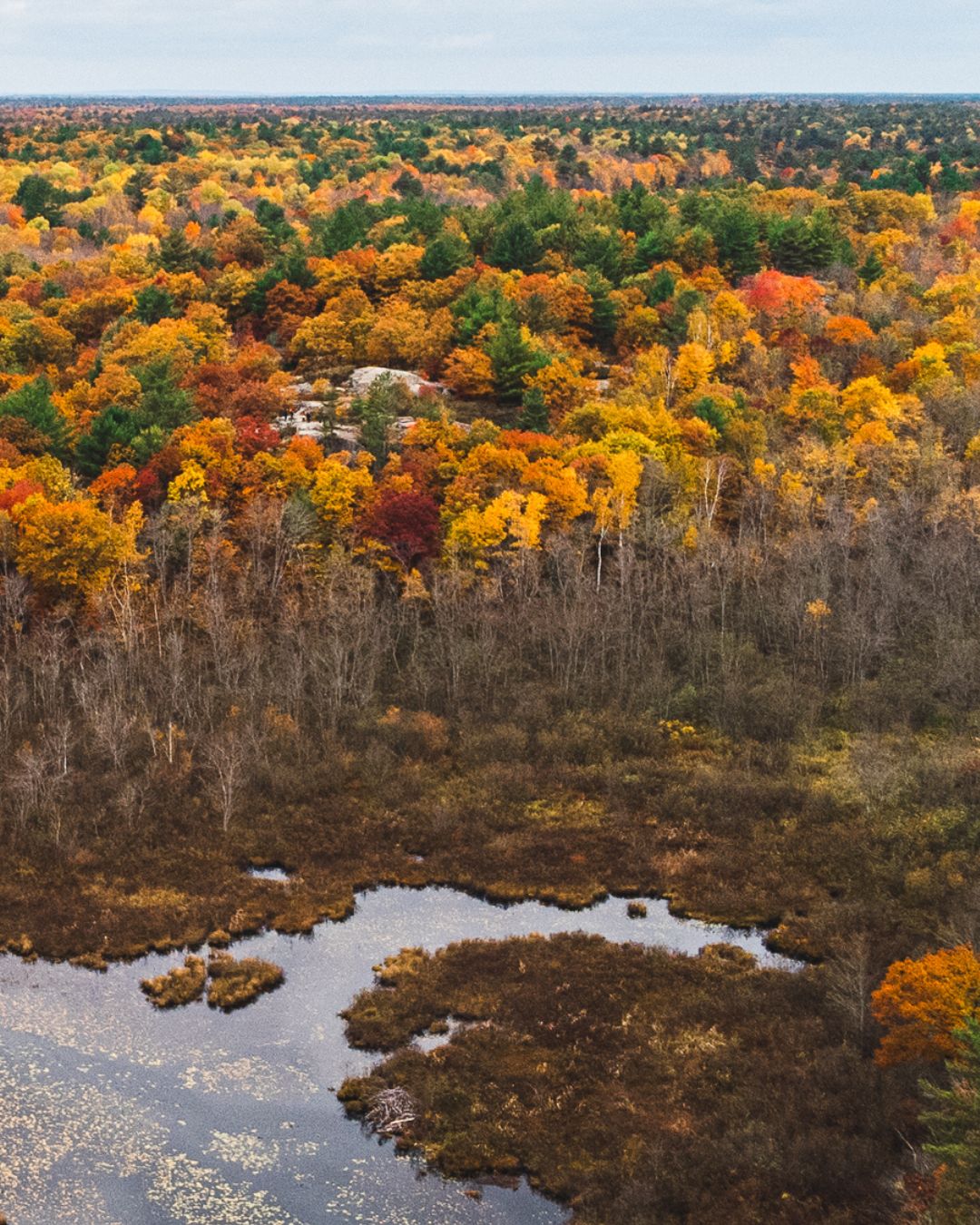
Roehl Wetland Nature Reserve (C. Pellerin).
Why Is Flooding Increasing Around Grant Wetland?
Wetlands have always stored and slowed water, especially during heavy rain. But over time, the landscape around them has changed.
As more roads, roofs, and driveways (hard surfaces) are built, there’s less open ground to absorb rainfall. This increases the volume and speed of water runoff, which can overwhelm natural drainage and cause localized flooding — especially near low-lying areas like wetlands and lakes. The lack of soft ground surface area makes it more difficult for the wetland absorb the shock of heavy rainfall events.
“ The Orillia weather station recorded the highest rainfall for April since records began in 1994, April 2024 also saw the most days of "heavy" rainfall (over 10 mm per day). ”
(Ministry of Environment and Natural Resources, 2025)
Have you noticed an increase in the frequency and severity of extreme weather events? The ice storm in Spring of 2025 and the heavy rainfall events of 2024 have been alarming reminders that extreme weather leads to more frequent flash floods and sustained flooding in low-lying areas. These events challenge the natural drainage abilities of the wetland. They also test and exceed the capacity of city drainage infrastructure, leading to property and environmental damage.
To the right, you’ll find Orillia’s official Flood Hazard Map, which outlines known flood-prone zones. As shown, Grant Wetland is located within one of these areas — meaning flooding is a recognized and long-standing risk, especially when development occurs around sensitive natural features.
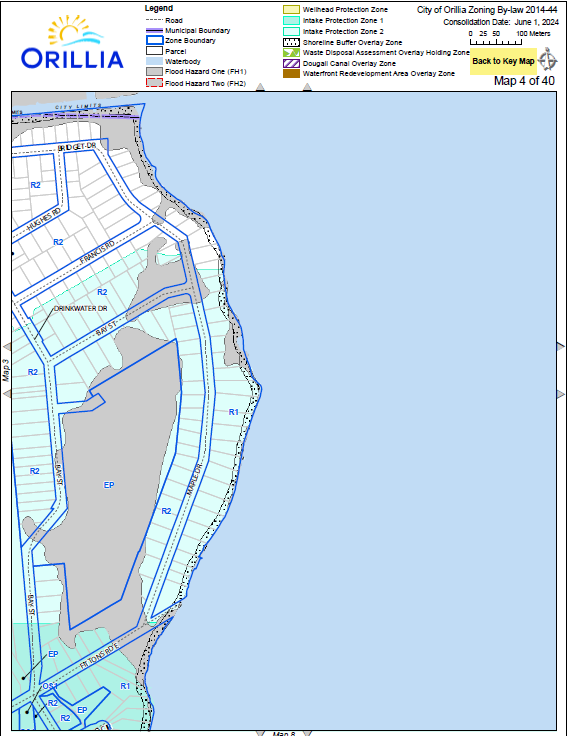
Click on the image to view the whole report. Grant Wetland is located on map 4.
What Role Do Beavers Play At Grant Wetland?
Beavers are native to Ontario and act as ecosystem architects and engineers. Their activities provide habitat for other wildlife, and can increase local biodiversity by as much as 50%. Their dams add structure to the environment and decrease the likelihood of flooding downstream when properly managed, by slowing the flow rate of water and releasing it over a longer period of time. Beavers increase the overall health of the ecosystem.
| MYTH | Fact |
|---|---|
| Beavers cause flooding. | Beaver dams slow water flow, reduce downstream flooding, and recharge groundwater. Beaver dams slow water flow, reduce downstream flooding, and recharge groundwater, the reserve of water that protects against draught. The sudden release of derelict beaver dams can cause flooding, but this occurs when dams weaken after beavers no longer maintain them. |
| Dams are destructive. | Dams create wetlands that support birds, frogs, fish, and clean water. |
| Beavers don’t belong in cities. | Beavers are native species returning to habitat that supported them long before development — even in urban areas. We can work with beavers to make natural areas healthier. |
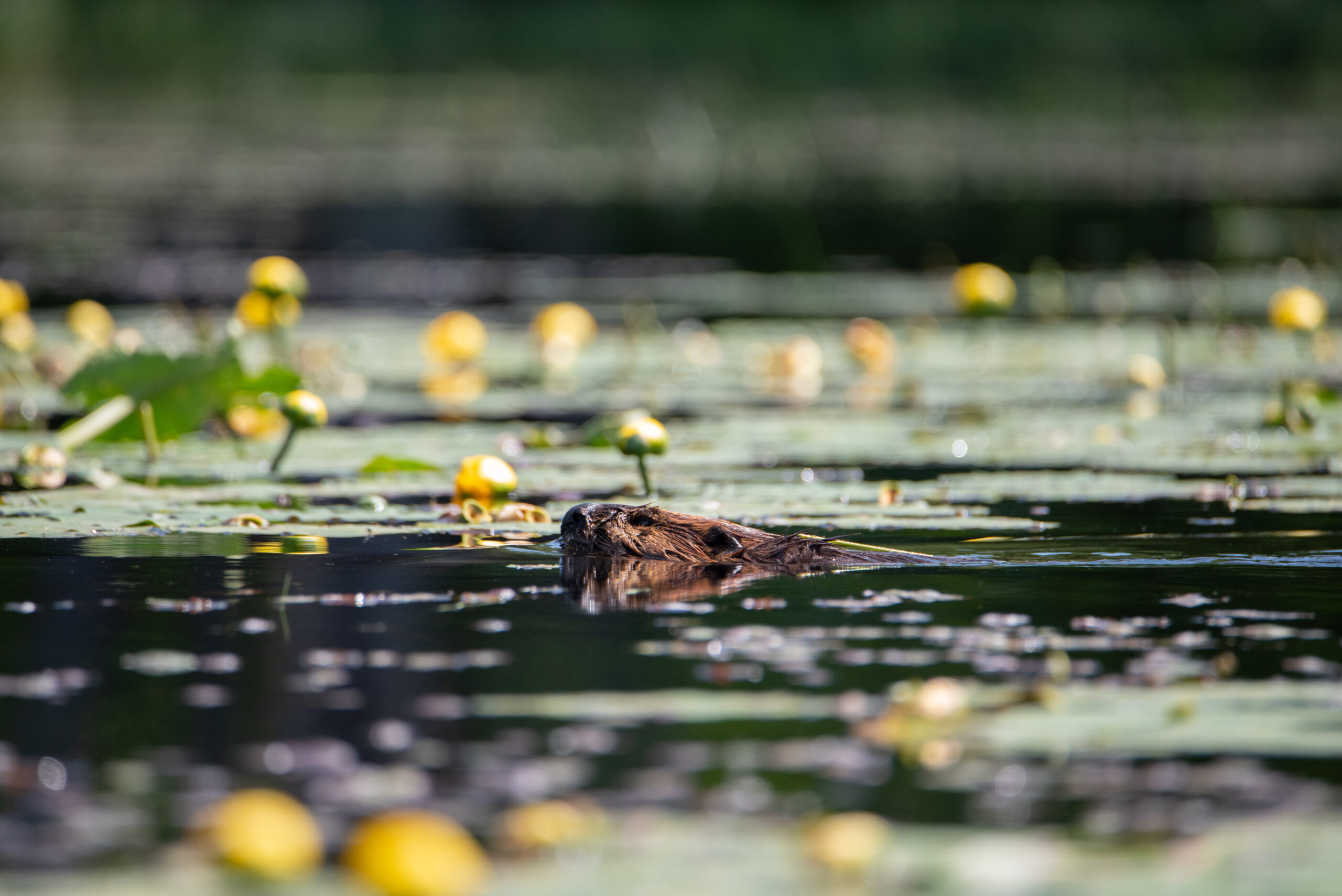
American Beaver (T. Rowland)
How The Couchiching Conservancy Manages Water Levels at Grant Wetland
Our Community Science Water Monitor teams measure water quality and water levels at Grant Wetland regularly. This tells us when pollution may affect the health of the wetland and Lakes Couchiching and Simcoe. It also tells us when more flow is needed through the wetland to manage flood risks.
What Else Are We Doing?
- Regular water quality and level monitoring
- Two small beaver baffles have been installed and checked regularly in the past
- Past beaver dam removal during legal timeframes, as per The Ministry of Natural Resources and Forestry
- Two large beaver baffles will be installed during Summer 2025, based on a proven Ontario Parks design
- Trapping beavers to maintain a reasonable population
- Invasive plant species removals to keep water flowing and prevent sedimentation of Sundial Creek
Why Beaver Baffles?
Beaver baffles are flow-control devices designed to allow beavers to build and maintain their dams while quietly regulating water levels behind the scenes.
They keep water flowing through dammed areas and are effective in preventing localized flooding without needing to remove dams — protecting both wetland function and nearby homes.
Addressing Challenges
Due to ongoing concerns from surrounding neighbours about flooding, 10 beavers have been trapped and removed over the past year alone. Beavers will continue to be present in the area due to proximity to Lakes Couchiching and Simcoe, and they play a necessary role in local habitats
While live trapping is permitted in Ontario, relocation is highly restricted:
- Beavers may only be relocated within 1 km of the capture site
- Suitable habitat must be available
- Landowner permission is required
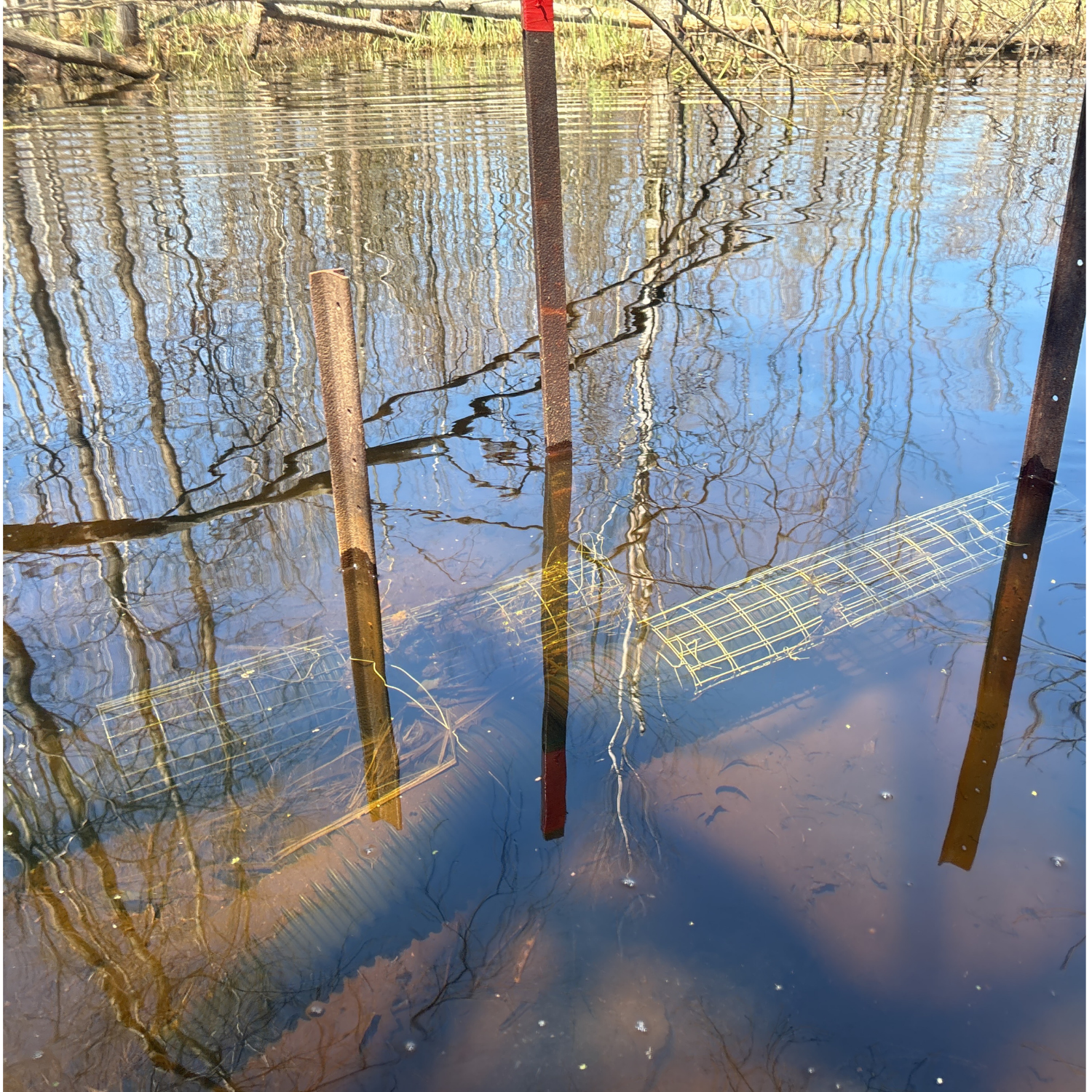
Baffle on the East side of Grant Wetland- already installed (B. Guoth).
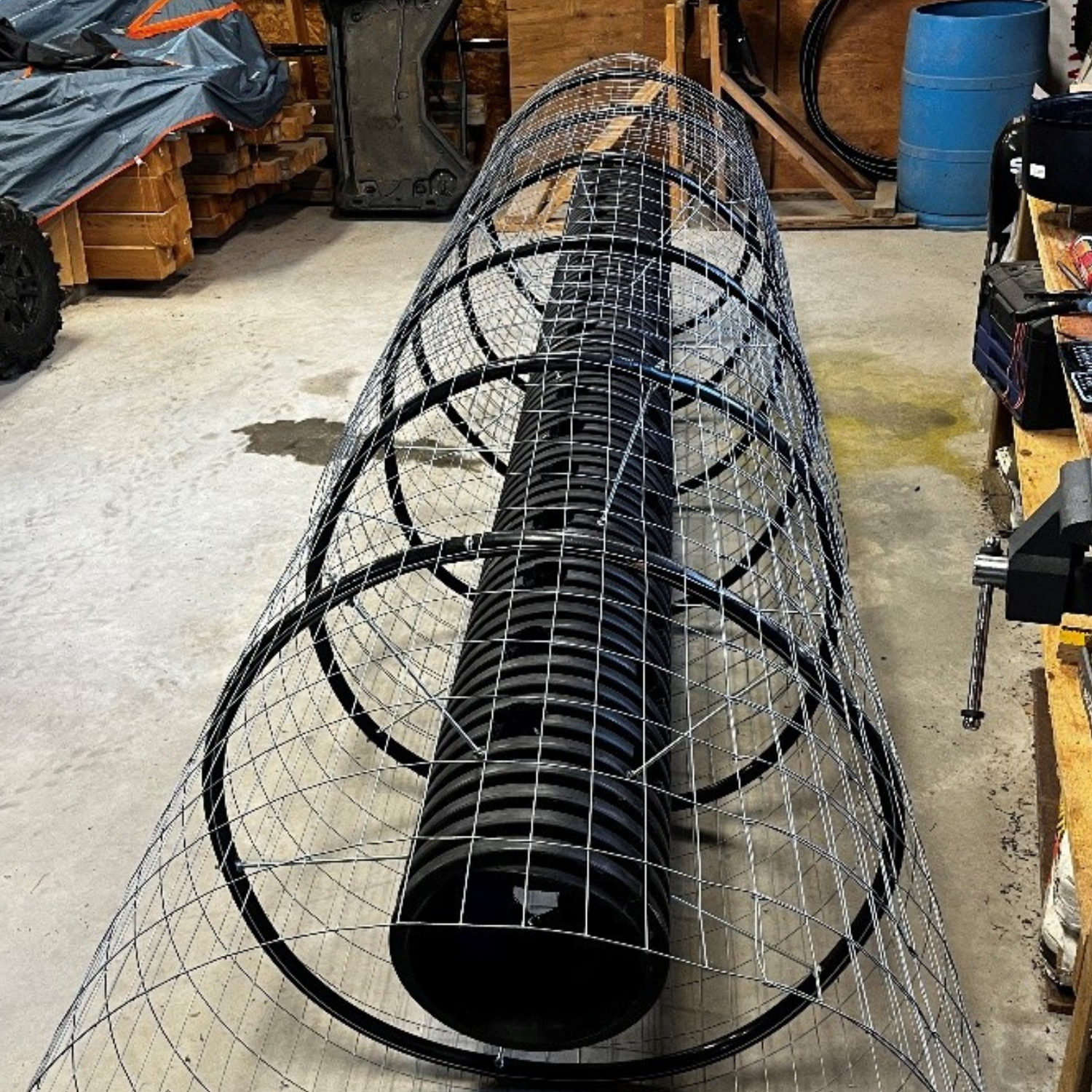
Large Baffle- planned for summer 2025 (Ontario Parks).
When relocation isn’t possible, humane euthanasia is the only remaining option — which was the approach taken in this case.
By installing beaver baffles, we aim to:
How Can We Live More Harmoniously Alongside Nature?
Wetlands and natural green spaces aren’t just scenic. They offer recreation, shade, peace of mind, and increase property values. They’re vital natural infrastructure. Wetlands capture carbon, reduce flood peaks, filter pollutants, and support biodiversity. In a changing climate, their role is more important than ever.
Urban wetlands like Grant Wetland Nature Reserve help buffer extreme weather by absorbing heavy rainfall and releasing it slowly. Communities and government across Canada are recognizing them as cost-effective and sustainable climate solutions — offering the benefits of flood control, pollution reduction, habitat, and carbon storage. Wetlands are far more effective than engineered infrastructure approaches.
On a landscape scale, preserving wetlands is insurance and preparedness for our future in the face of extreme weather.
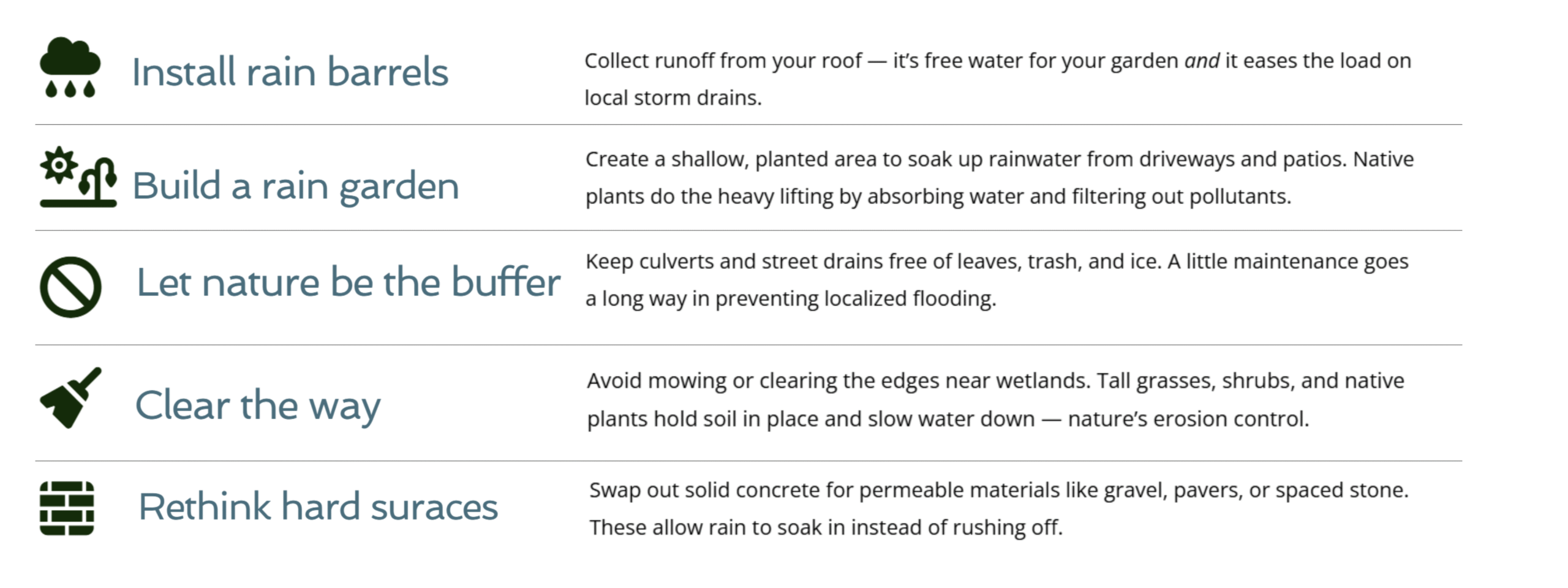
What Homeowners Can Do
Simple changes around your property can make a big difference:
Join Community Science In Action
Grant Wetland is more than a critical ecosystem — it’s also a living classroom. Through our community science programs, volunteers help monitor the health of this wetland and the species that depend on it.
Ongoing monitoring efforts at Grant Wetland include:
Bat Monitoring
Tracking activity of Ontario’s at-risk bat species
Frog Monitoring
Listening for frogs to help assess amphibian populations
Water Quality Monitoring
Measuring indicators like clarity and nutrient levels
Land Stewardship
Regular visits by trained volunteers to report on, wildlife sightings, and invasive species
These programs provide valuable long-term data that supports conservation planning, while helping people connect to the land they’re helping to protect.
Other Links and Resources
General Wetland & Beaver Education
- What are wetlands?- Ontario Nature
- Why Wetlands Matter- Ducks Unlimited Canada
- Wetlands- Ontario Nature
- Conservation Ontario- Nature-based climate adaptation
- Beavers as ecosystem engineers- Canadian Wildlife Federation
Wetlands & Climate Change
- Ontario's Wetlands: A Nature-based Climate Solution- Ontario Nature
- Ontario Provincial Climate Change Impact Assessment- Government of Ontario
- Wetlands in climate change mitigation and adaptation- Ducks Unlimited Canada
- Ontario's Wetlands: A Nature-based Climate Solution- Ontario Nature
- Ontario Provincial Climate Change Impact Assessment- Government of Ontario
- Wetlands in climate change mitigation and adaptation- Ducks Unlimited Canada
Homeowner & Municipal Mitigation
- Working with nature at home- IntactCentre
- Home flood protection- IntactCentre
- Municipal flood risk check up 2024- IntactCentre
Orillia Climate & Planning Context
- City Of Orillia Stormwater Management Plan
- City Of Orillia's Climate Future
- City Of Orillia Councillors
- City Of Orillia Mayors Office
Insurance, Mortgage & Policy