
Invasive species are among the biggest threats to our local ecosystems, posing serious risks to native wildlife and plants. These species, often introduced accidentally, thrive without natural predators, leading to the destruction and displacement of native species and their habitats.
General Traits of Invasive Plants
Many plants in an area may be non-native, but only a few become invasive. To be considered invasive, plants typically:
- Grow rapidly and adapt easily
- Cause economic or property damage
- Harm native plants
- Reproduce quickly, often producing many seeds that spread easily
Other common traits of invasive plants include:
- Ability to reproduce in multiple ways (e.g., through root cuttings, rhizomes, dropped leaves, seeds, self-fertilization)
- High tolerance to disturbances
- Vigorous root systems
Quick Links:
Annual impact of our efforts:
Invasive Species Removed
Invasive Species Managed by Acres
Volunteer Opportunities
You can help manage invasive species by volunteering. Sign up for our volunteer email list to be notified of dates.
REGIONAL INVASIve species guide
Download our Guide to learn about local invasive species and how they impact our local landscapes.
Invasive Species - Species of Concern
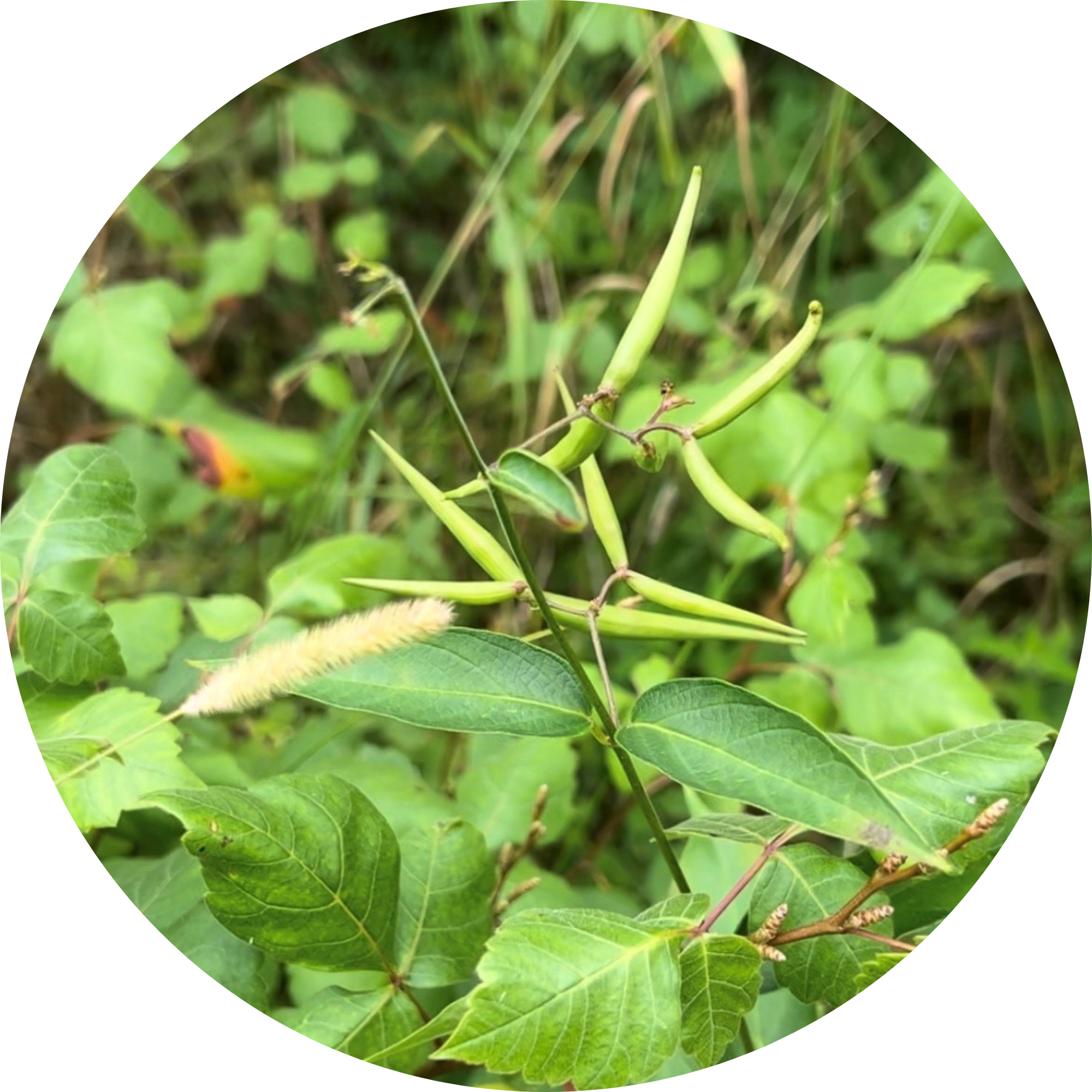
DSV Pods at Turnbull Ranch Nature Reserve taken by Danielle Houston
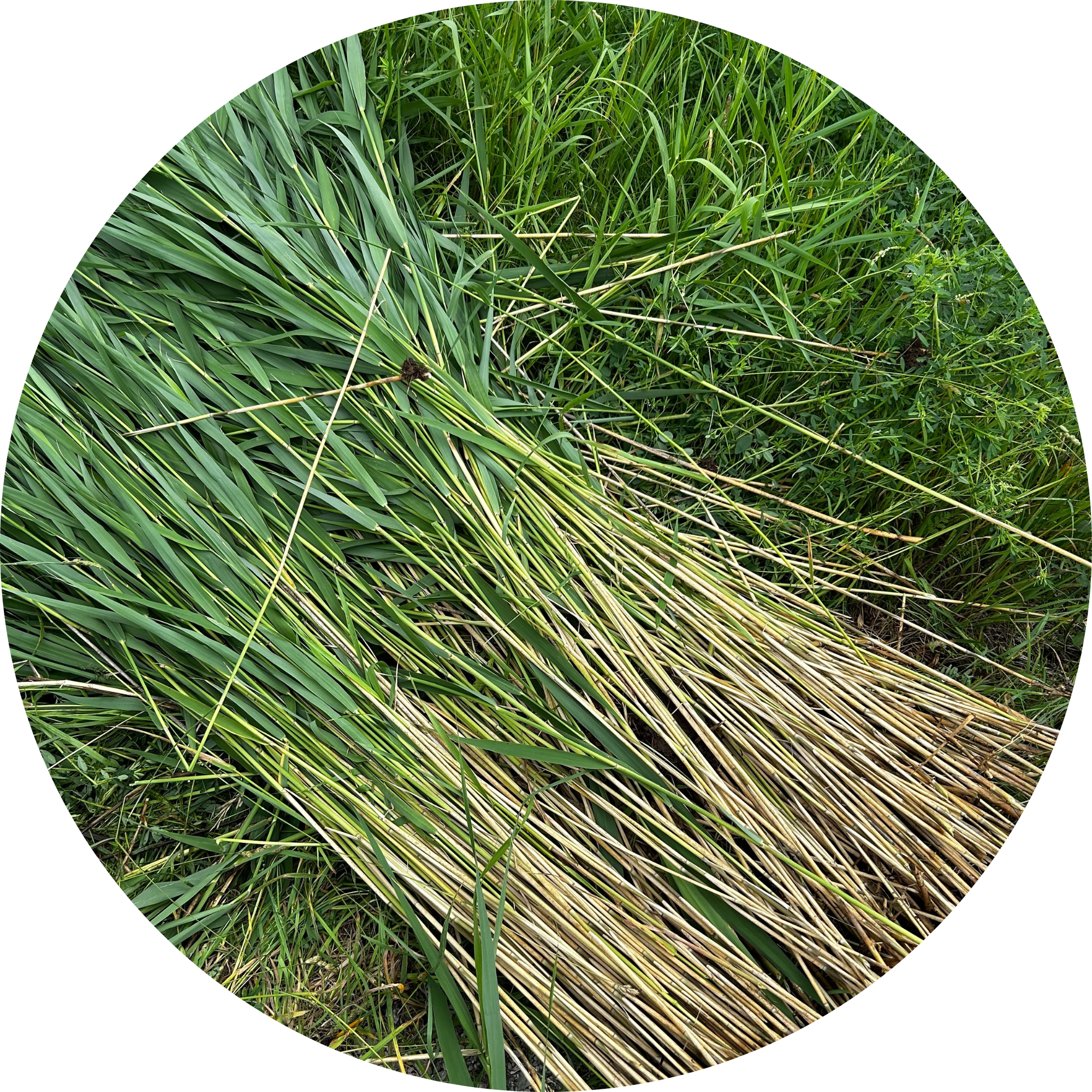
Phragmites at Wilsons Point Wetland taken by Megan Greenwood
Invasive Phragmites Reed (Phragmites australis australis)
Invasive Phragmites, a tall perennial grass from Eurasia, threatens wetlands by taking over water and nutrients, crowding out native plants, and releasing toxins from its roots. It can grow in both wet and dry areas, forming dense stands that reach up to 5 meters tall. Identifying it can be tricky since it resembles native reeds, but invasive Phragmites stands out with tan stems, blue-green leaves, and large, dense seed heads.
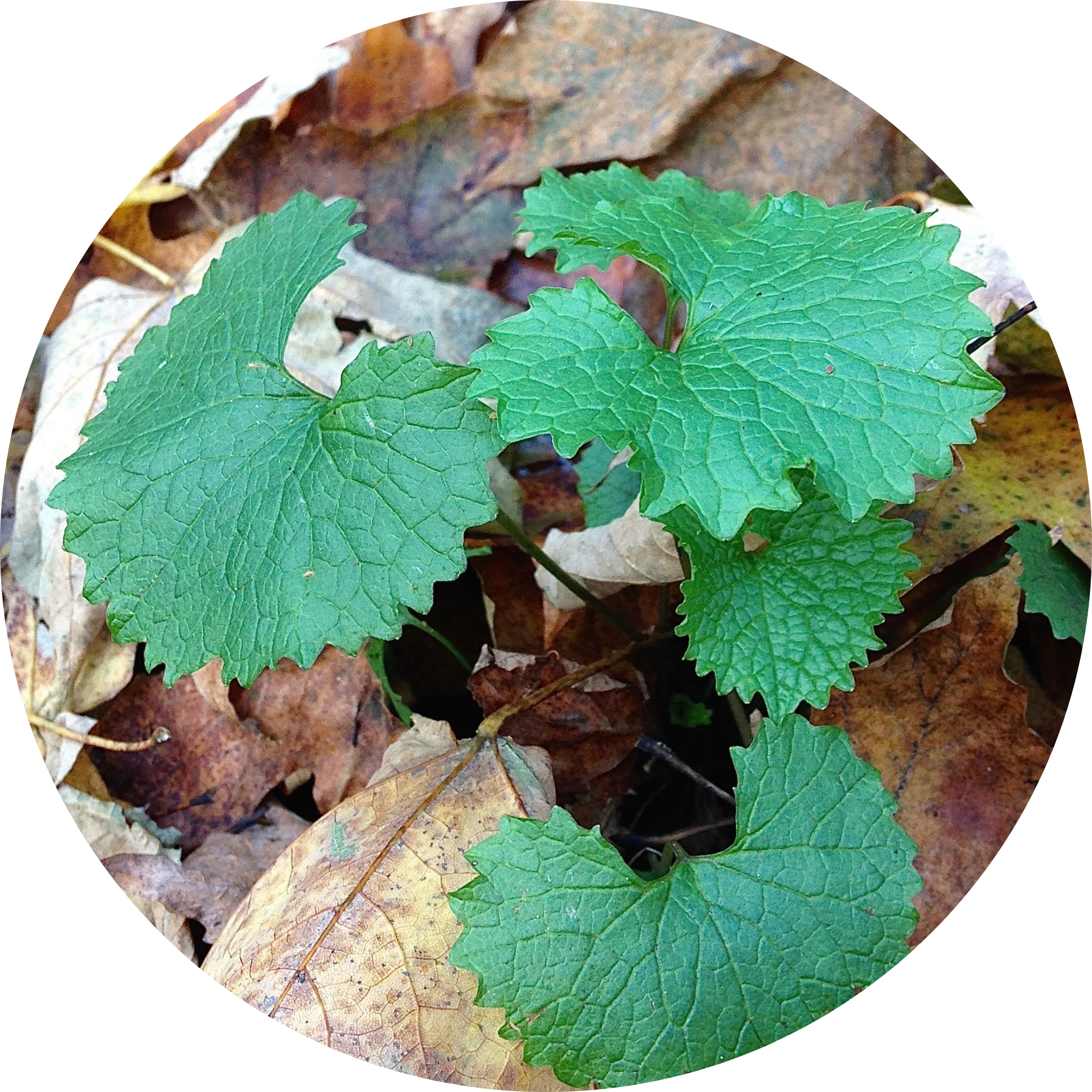
Garlic Mustard plant with first-year foliage. taken by Aiesha Aggarwal
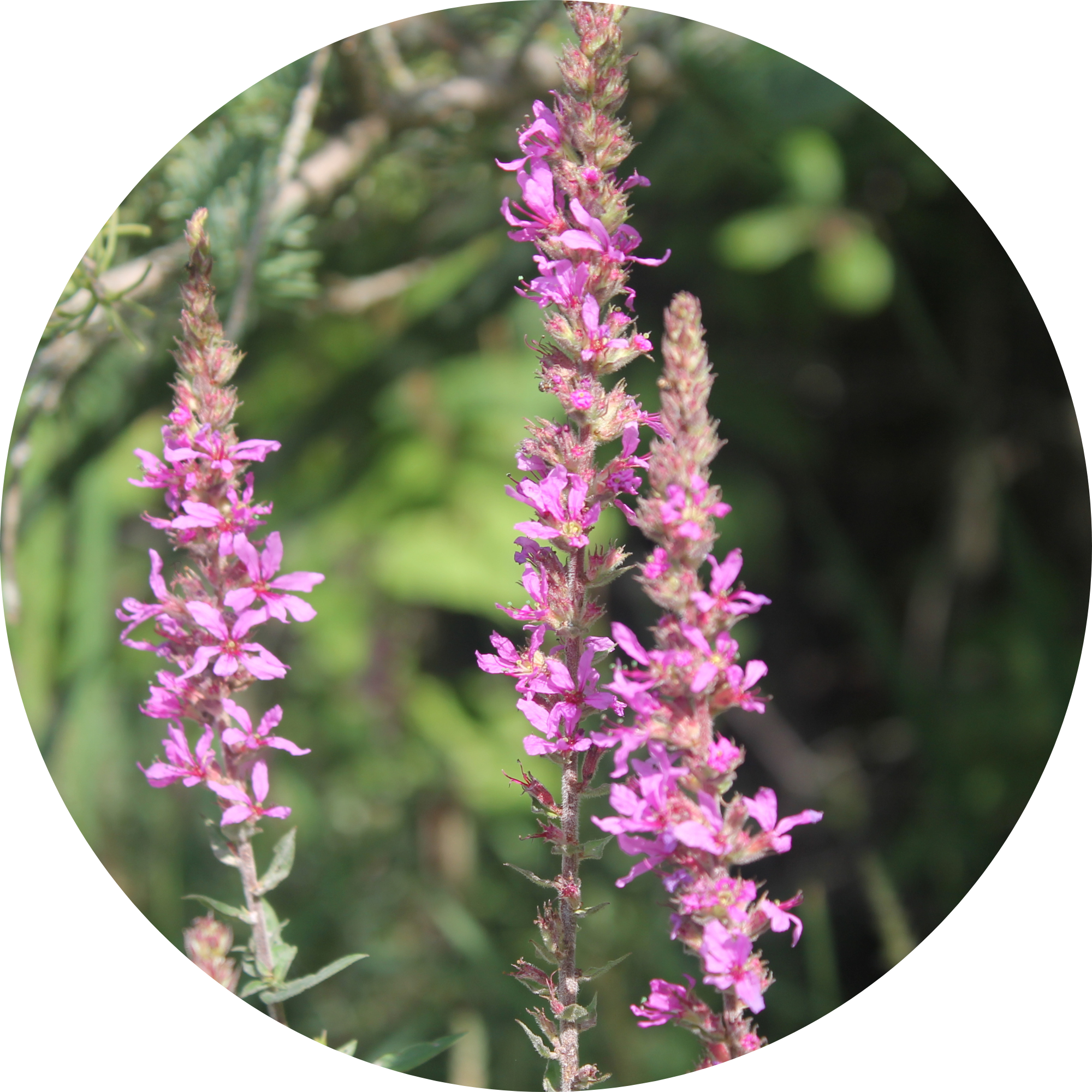
Purple Loosestrife taken by Invasive Species Centre
Purple Loosestrife (Lythrum salicaria)
Purple Loosestrife invades wetland habitats, adding excess nutrients to the water and causing eutrophication, which lowers biodiversity and disrupts ecosystems. It can also reduce water levels and outcompete native plants.
Identification:
- Grows 60-120 cm tall with 1-15 square stems.
- Stems may be branched with fine, smooth hairs.
- Lance-shaped leaves (3-12 cm long) have smooth edges and turn bright red in autumn.
- Deep pink to purple flowers bloom from June to October.
- Tiny, round seeds are found in small capsules (3-6 mm long)
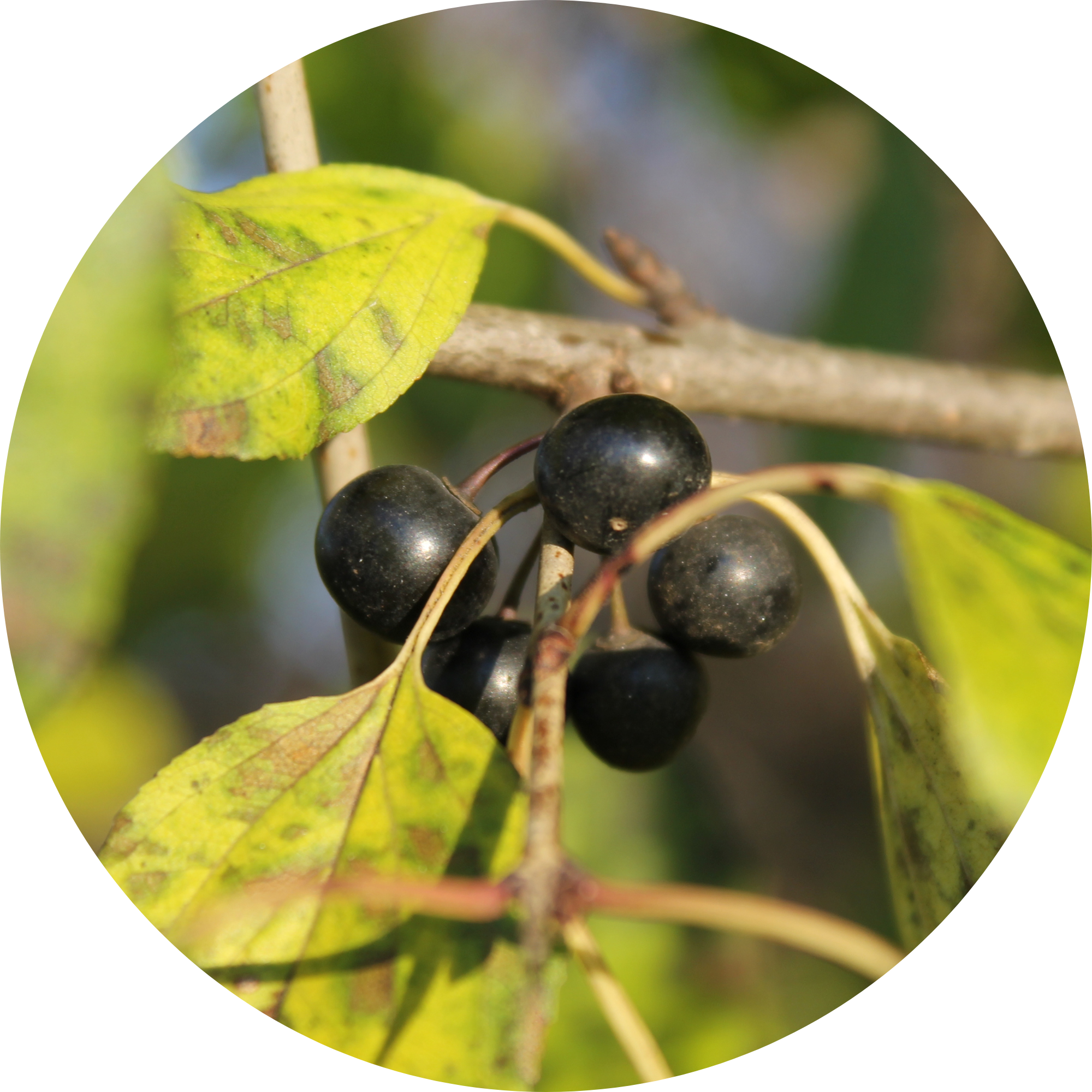
Common Buckthorn taken by Invasive Species Centre
Common & Glossy Buckthorn (Rhamnus cathartica & Frangula alnus)
Common and Glossy Buckthorn, shrubs from Eurasia, were introduced to Canada in the 1800s as ornamental plants and for agricultural use. Now invasive in Ontario, they form dense stands that outcompete native plants and alter soil quality.
Common Buckthorn:
- Leaves emerge early in spring and persist until late fall.
- Grows in dry areas, often reaching 3 meters tall.
- Twigs and branches end in a single, short thorn.
- Smooth, dark green leaves with fine teeth, arranged in pairs along the stem (2.5 to 6 cm long).
- Produces clusters of black, berry-like fruit in late summer and fall.
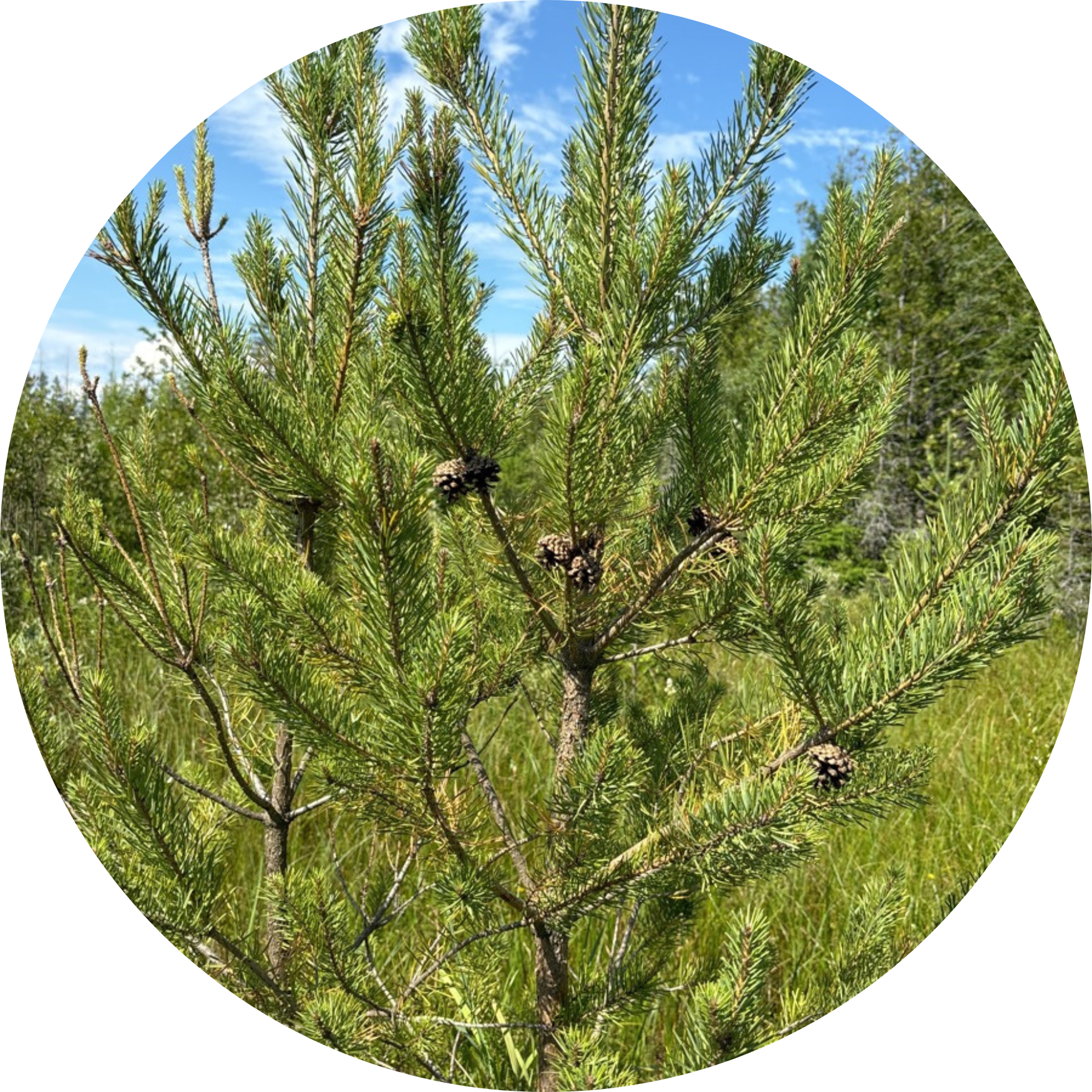
Scots Pine taken by Toby Rowland